
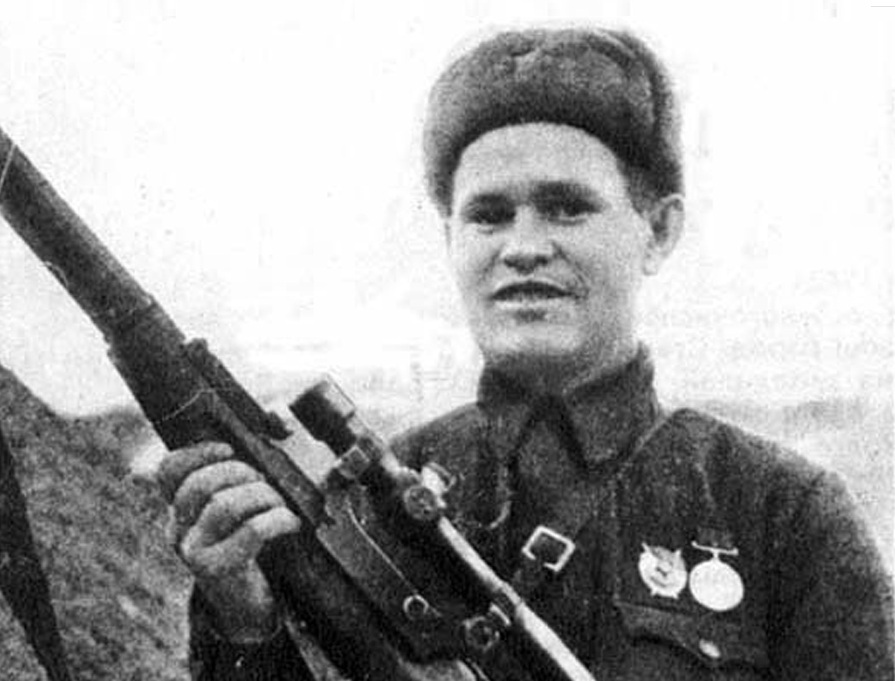
Vasily Grigoryevich Zaitsev (1915–1991) is the best-known Soviet sniper of the Second World War. A hunter’s son from the Urals and a clerk in the Pacific Fleet when the war began, he reached Stalingrad in September 1942 and in three months became the symbol of the city’s defence. He trained a whole group of young snipers in the ruins, was made a Hero of the Soviet Union, and ended the war as a captain.
A hunter from the Urals
Zaitsev was born on 23 March 1915 in the village of Yeleninka in the southern Urals, today in the Chelyabinsk region. He grew up in a family of hunters, and as a boy his grandfather taught him and his cousin to track game in the forest and to shoot. He finished a construction college in Magnitogorsk, qualified as a fitter, and also studied accounting.
From 1937 he served in the Pacific Fleet at Vladivostok, first as a clerk in the artillery department and later as head of a finance section. When Germany attacked the Soviet Union in June 1941 he was thousands of kilometres from the front. He asked again and again to be sent to fight, and in 1942 his request was finally granted.
Into Stalingrad
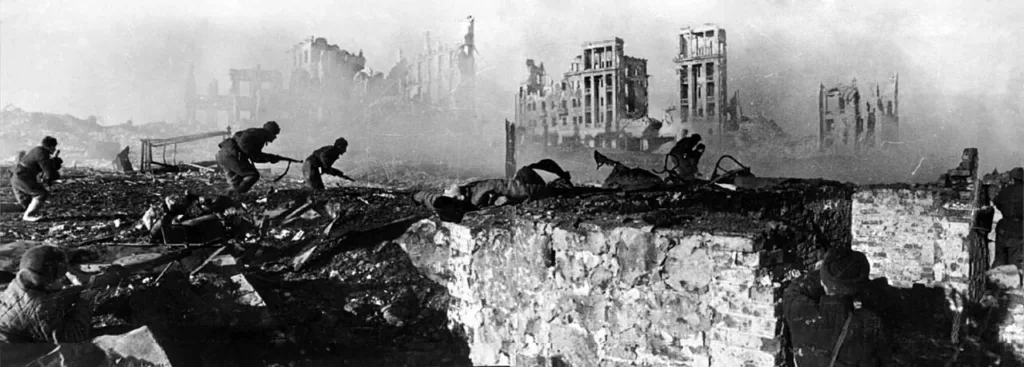
Zaitsev was posted to the 1047th Rifle Regiment of the 284th “Tomsk” Rifle Division, which joined the 62nd Army in Stalingrad on 17 September 1942. The division crossed the Volga under fire and went straight into the fighting for the city centre, the factory district and Mamayev Kurgan, the hill that dominated the town. In the ruins, where the front line often ran between floors of the same building, a good marksman could hold up an entire enemy unit.
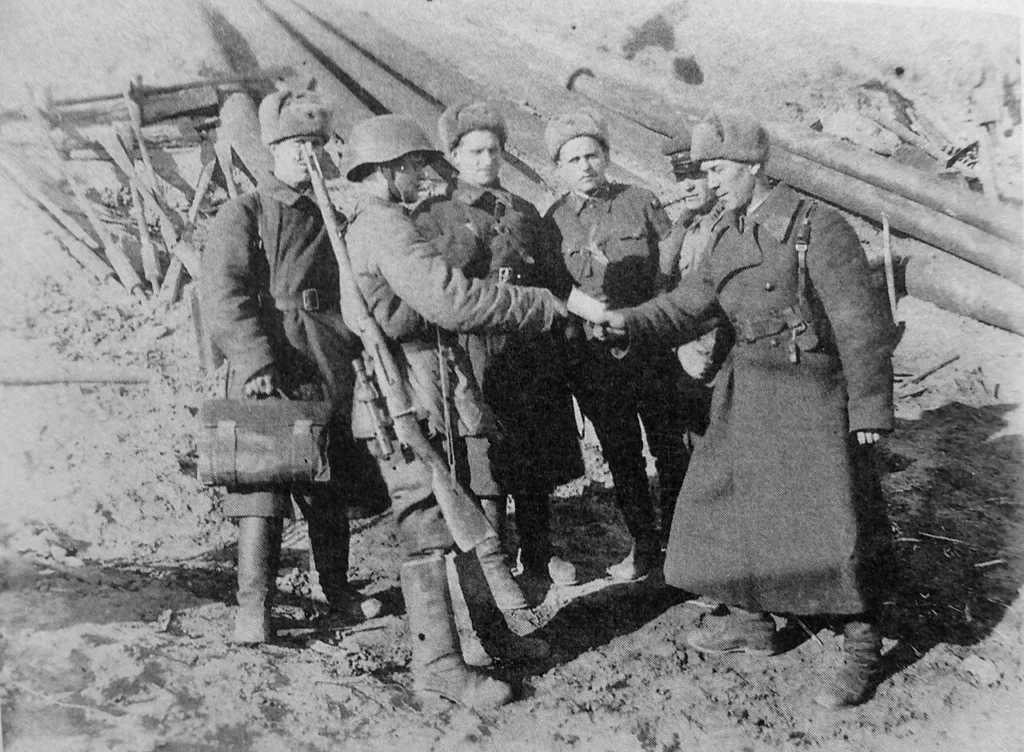
Zaitsev had been issued an ordinary rifle, but his shooting was quickly noticed and he was given a sniper’s Mosin rifle with a telescopic sight. He used the skills of a hunter: patience, careful observation, and knowledge of how a target would move. He prepared several hides in advance and changed position constantly. He often worked with a partner who watched and spotted while he fired.
225 enemy soldiers and a school of snipers
According to his award documents, between 10 October and 17 December 1942 Zaitsev killed 225 enemy soldiers and officers in the fighting for Stalingrad, among them eleven enemy snipers. Just as important was his teaching. He gathered young soldiers around him, showed them how to choose positions, how to camouflage themselves and how to read the ground, and sent them out in pairs. During the war he wrote two training manuals for snipers and developed the method of hunting in “sixes”, in which a group of six snipers covers the same area.
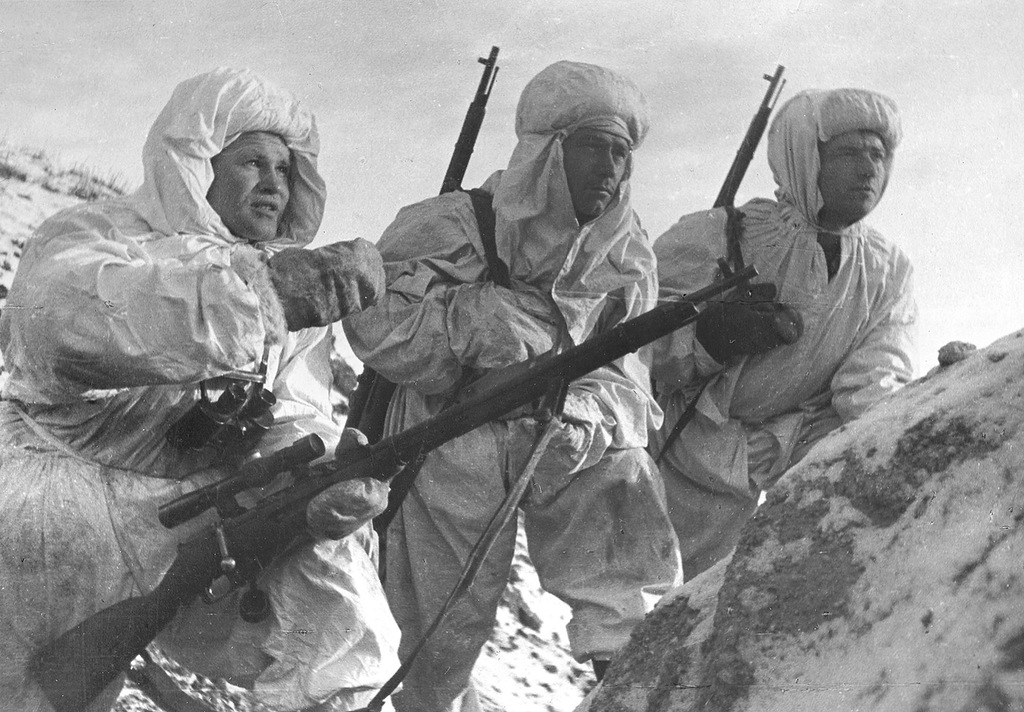
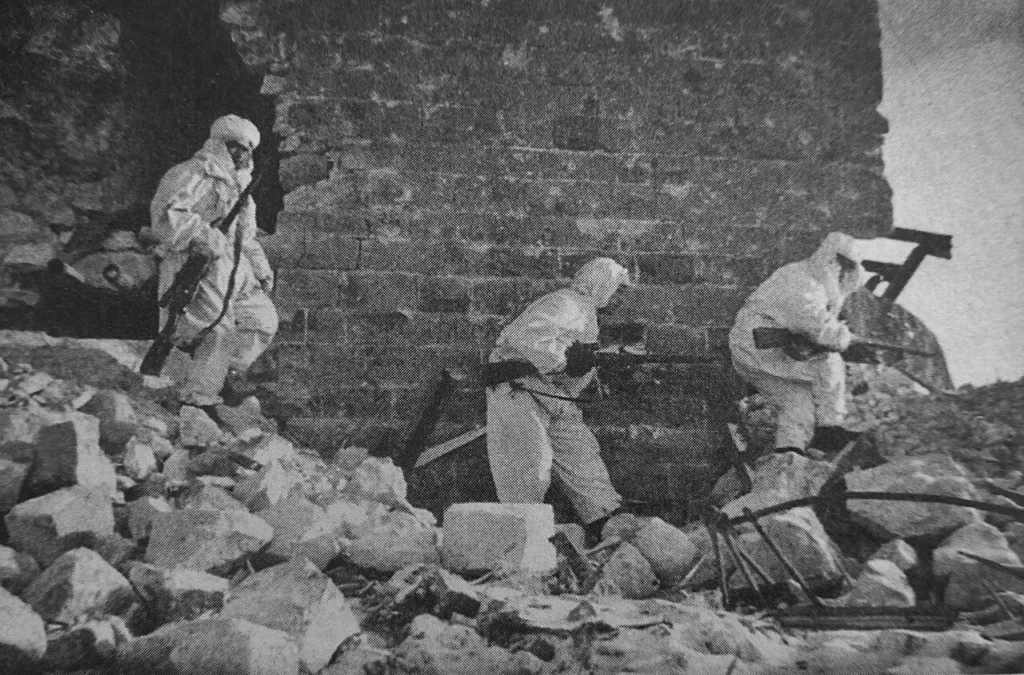
The fighting in the city was among the most intense of the whole war. Positions were held at a few dozen metres from the enemy, buildings changed hands several times, and the snipers of the 62nd Army became a constant danger to German soldiers moving in the open.
Wounded, and the Gold Star
In January 1943 Zaitsev was badly wounded in the eyes by a mortar explosion. He was flown to Moscow, and after several operations by the famous ophthalmologist Vladimir Filatov his sight returned on 10 February 1943. On 22 February 1943, while still recovering, he was made a Hero of the Soviet Union and received the Order of Lenin and the Gold Star medal.
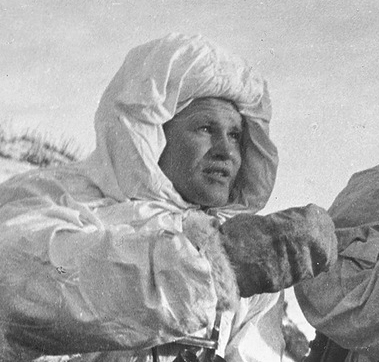
After his recovery Zaitsev went back to the front. He took part in the liberation of the Donbas and the battle for the Dnieper, and fought near Odessa and on the Dniester. He ended the war as a captain.
After the war
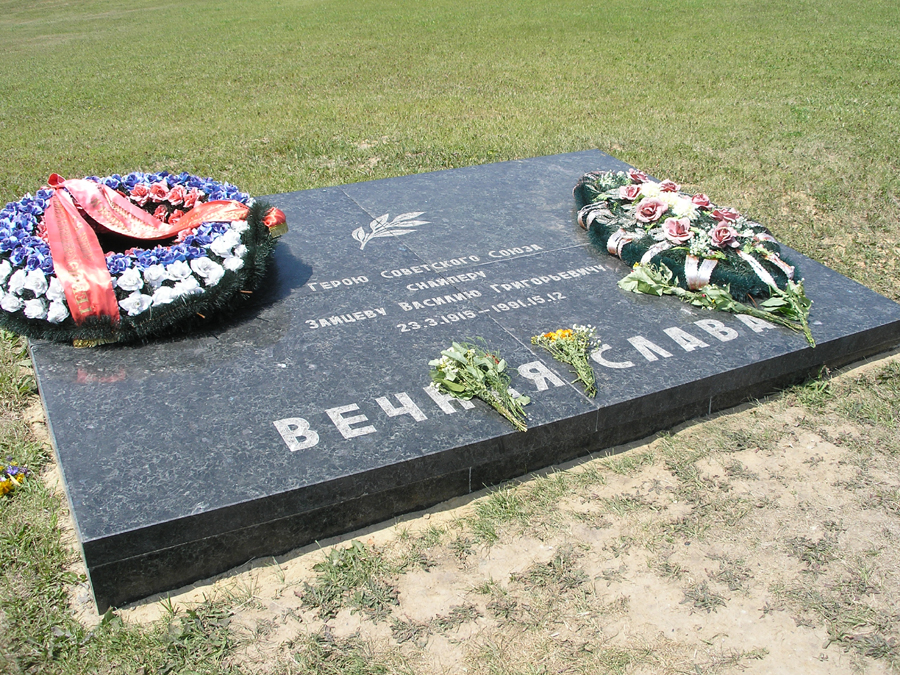
Zaitsev settled in Kyiv, studied at a textile institute and became an engineer and then director of a textile factory. He died in Kyiv on 15 December 1991. His wish had always been to lie with the soldiers who defended Stalingrad, and on 31 January 2006 he was reburied with military honours on Mamayev Kurgan in Volgograd. His story inspired William Craig’s book Enemy at the Gates (1973) and the film of the same name (2001), and his sniper rifle is kept in the Stalingrad Battle Museum.
More: the Battle of Stalingrad · Yakov Pavlov · Lyudmila Pavlichenko · all heroes of the war
Sources and further reading
- Vasily Zaitsev – Wikipedia
- Зайцев, Василий Григорьевич – Wikipedia (Russian)
- Vasily Zaitsev, Notes of a Russian Sniper (memoirs, English edition 2003).