
Original WWII Relics & Historical Collectibles
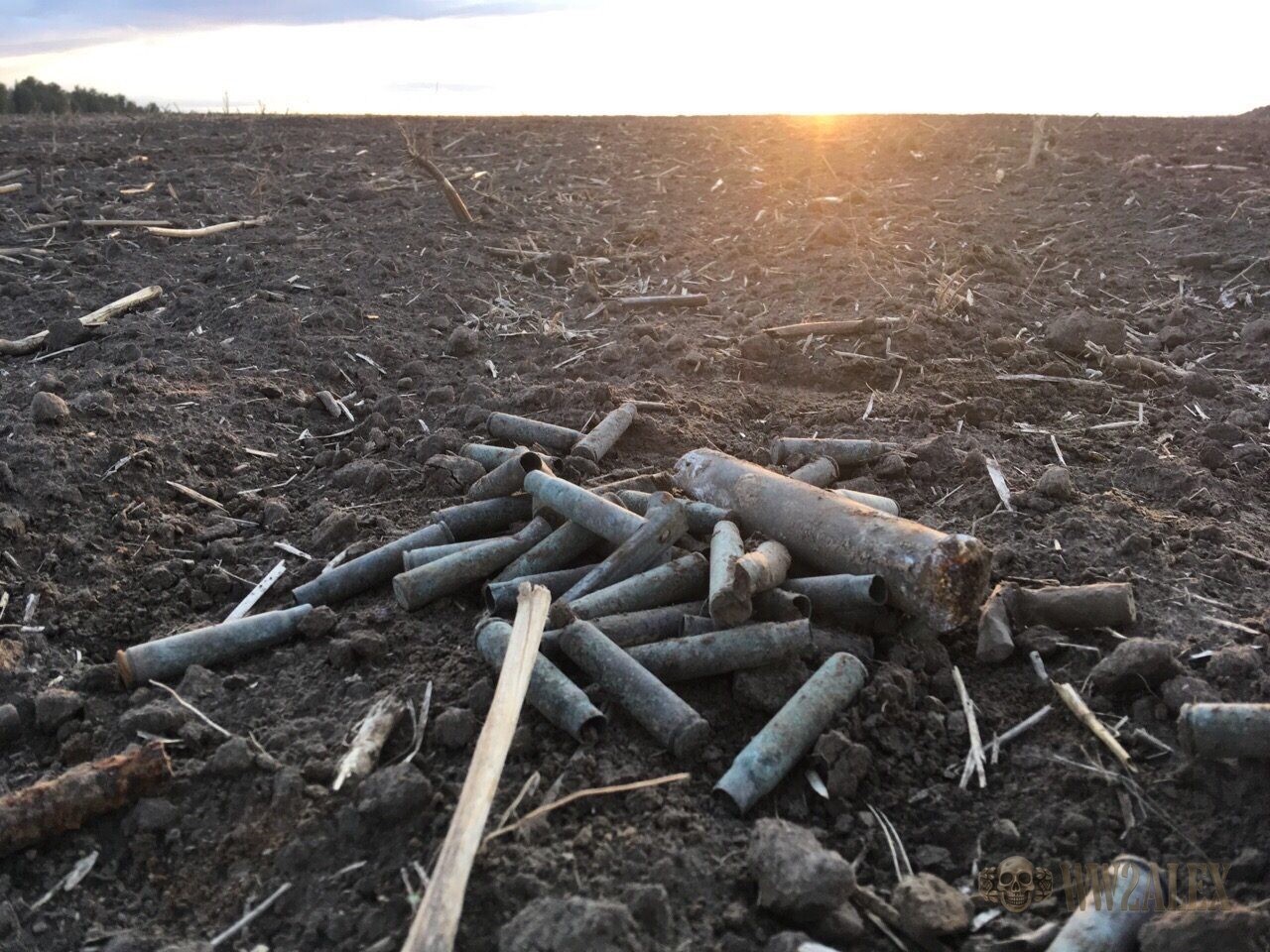
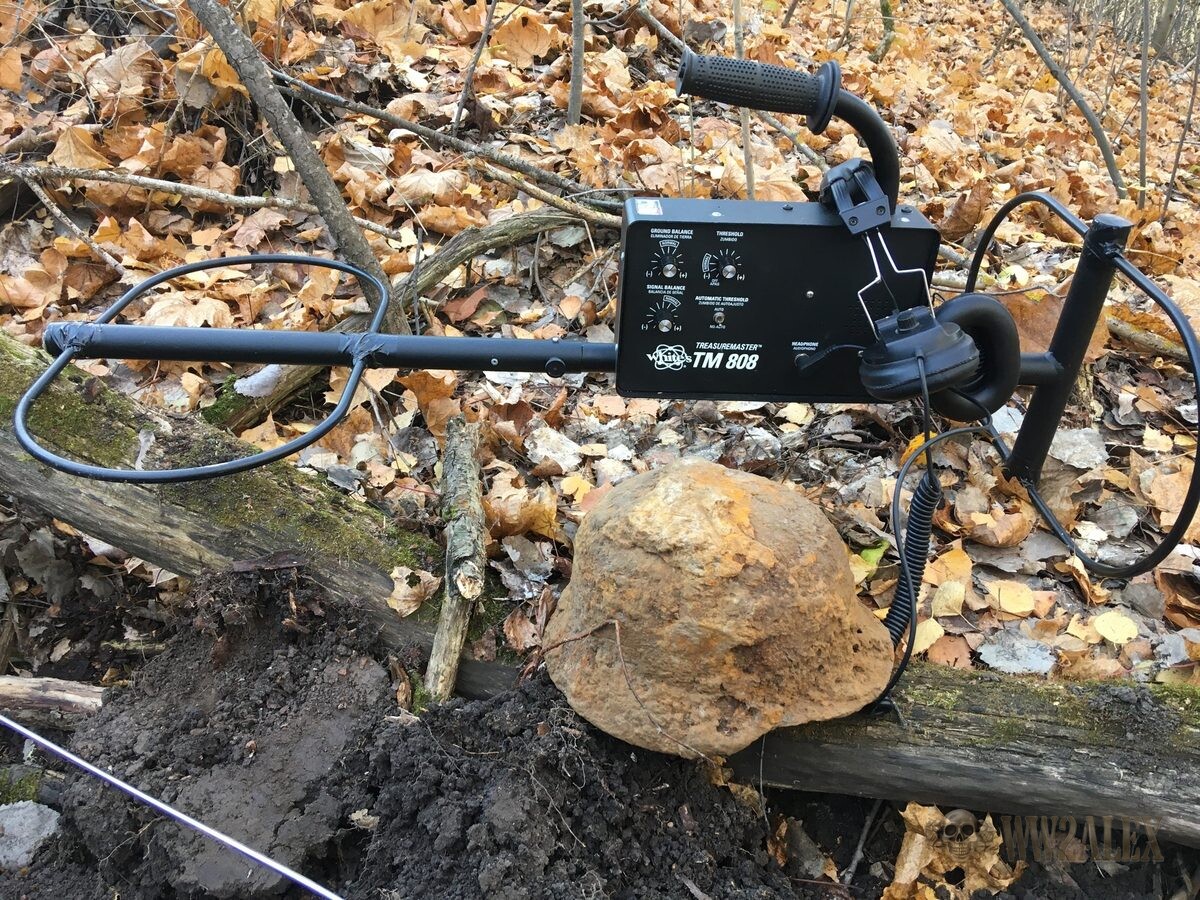
WW2ALEX is a personal collecting and historical research project built around original artefacts of the Second World War — the helmets, equipment, insignia and everyday objects carried by the people who lived through it. Alexander has been searching for, recovering and studying these objects since 2014.
About WW2ALEX
WW2ALEX was created out of a long-standing interest in the material history of the Second World War — not the maps and the strategy, but the objects themselves: what they were made of, how they were made, how they were used, and what happened to them afterwards.
What began as field searching in 2014 grew into a longer-term practice of recovering, researching, conserving and documenting original items, and then placing them with the museums, researchers and private collectors who will look after them next.
What the project focuses on
- Original WW2 helmets and headgear
- Battlefield relics, recovered and conserved with care
- Awards, badges and insignia
- Military equipment and personal objects
- Historical militaria of all nationalities
- Research and documentation of each piece
- Honest condition reporting
The Collector
Alexander — WW2ALEX
There is one person behind this project rather than an anonymous marketplace. The work itself is slow and largely unglamorous, and most of it happens long after an object leaves the ground.
An object is cleaned only as far as is needed to read it. The aim is to establish what can reasonably be said about an object, and to be equally clear about what cannot. Where the evidence runs out, that is stated rather than filled in. Expertise here is a process — reading an object carefully and being willing to leave a question open — not a title.
Authenticity & Provenance
Every item is examined and described honestly. The description is written to match what actually arrives, and that is the single thing this project is built on.
- Condition is documented as it is — wear, corrosion, damage and loss are described rather than minimised
- Where a piece has been restored, refurbished, or is a replica, that is stated plainly in the listing
- Original and restored components are never presented as equivalent
- Historical context is given where it can reasonably be established
- Uncertain attribution is described as uncertain, not stated as fact
Restoration & Preservation
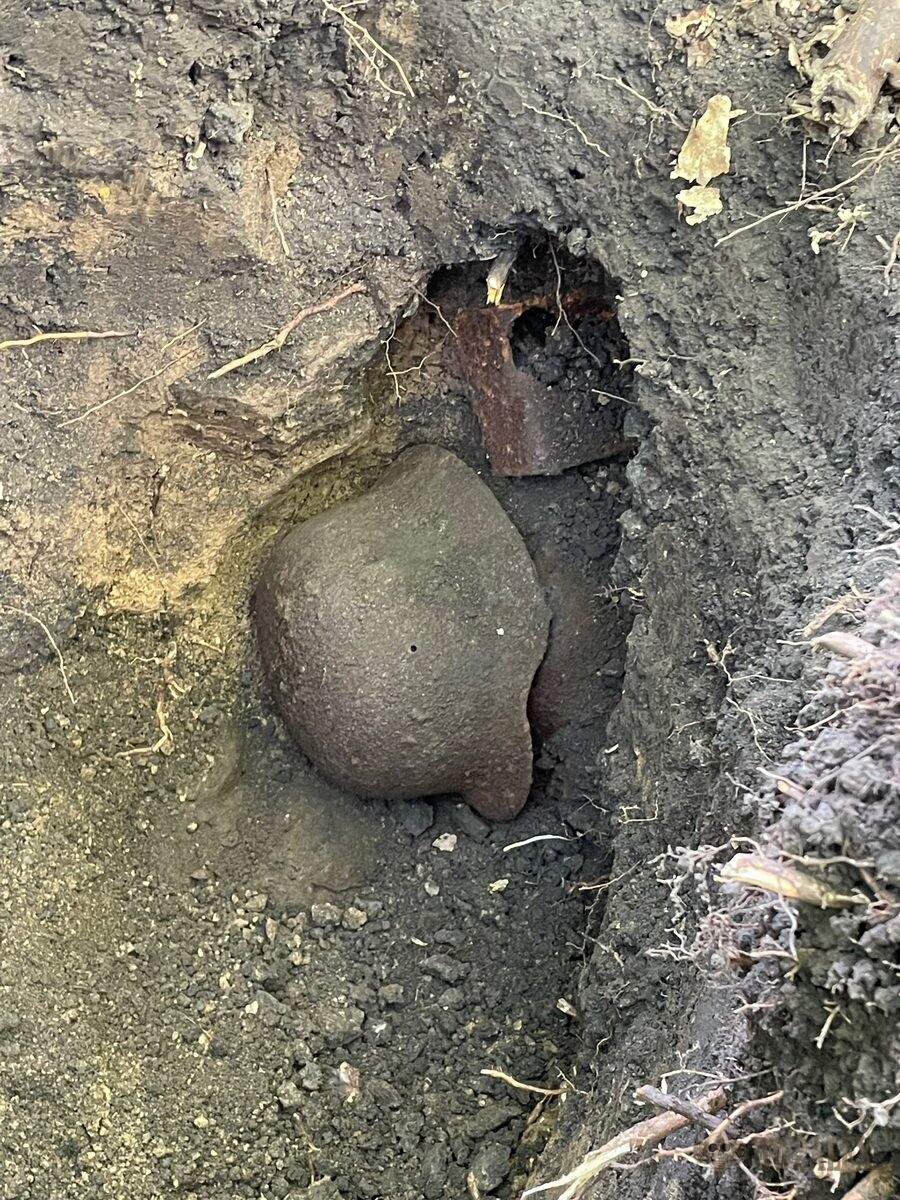
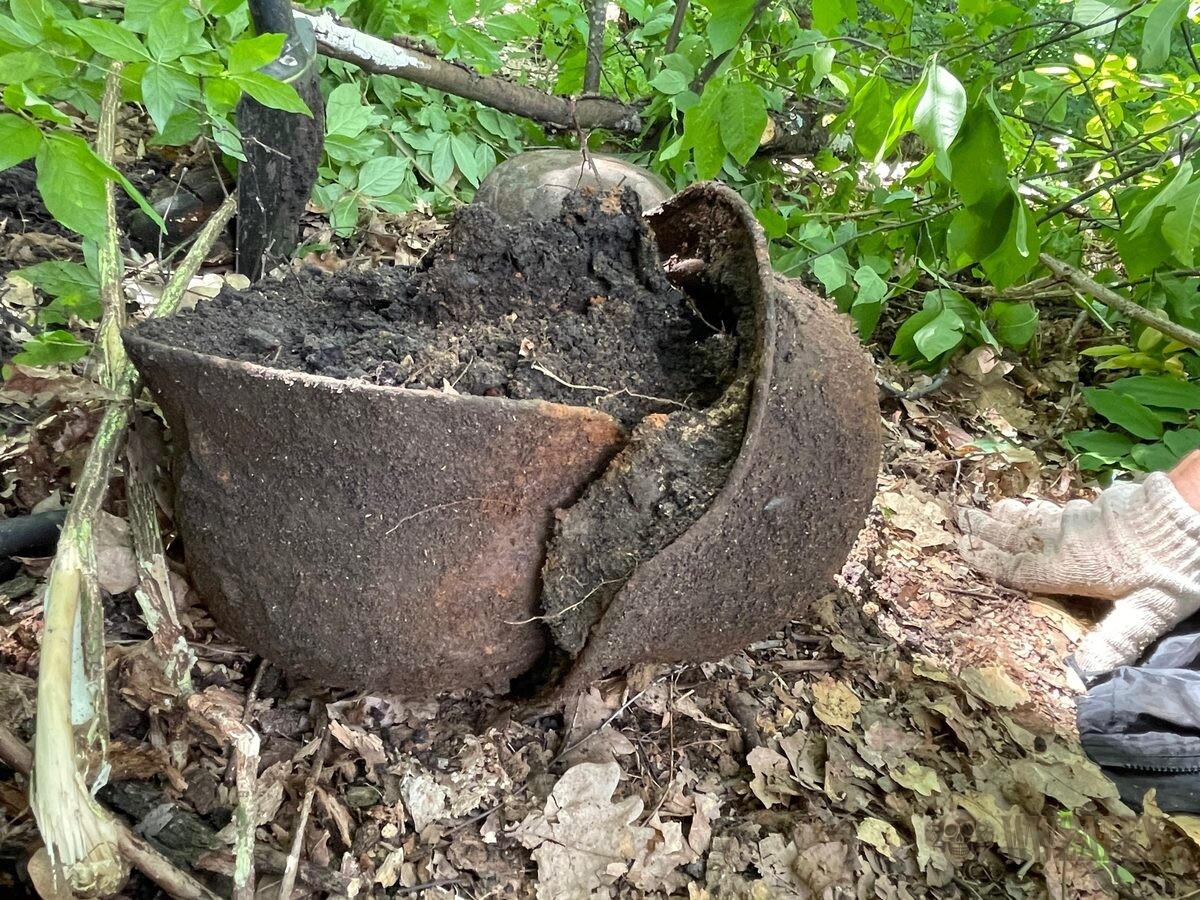
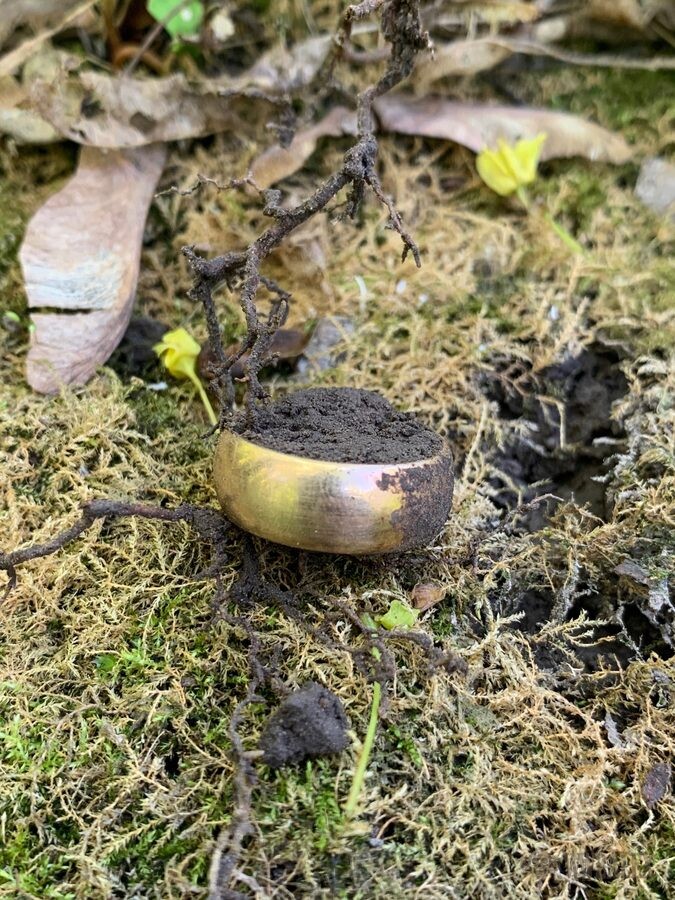
Objects that have spent decades in the ground do not come out ready to display. Most need at least drying and stabilisation to stop active corrosion; some are cleaned further, and some are cosmetically restored or refurbished.
That work is legitimate and often necessary — but it changes the object, and it is disclosed. There is a real difference between an original object and an original object with restoration or refurbishment, and the two are never described as the same thing. Conservation makes an artefact stable and readable; it does not make it untouched.
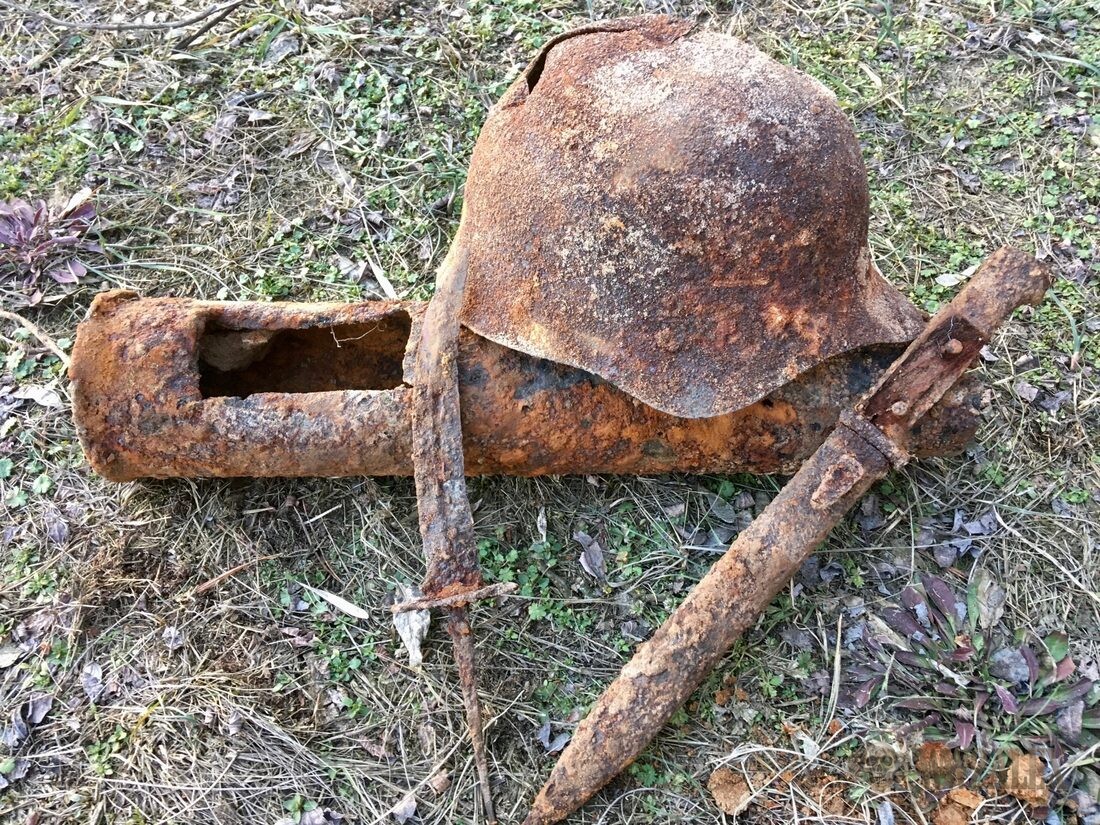
The photographs below record the same objects before and after that work.
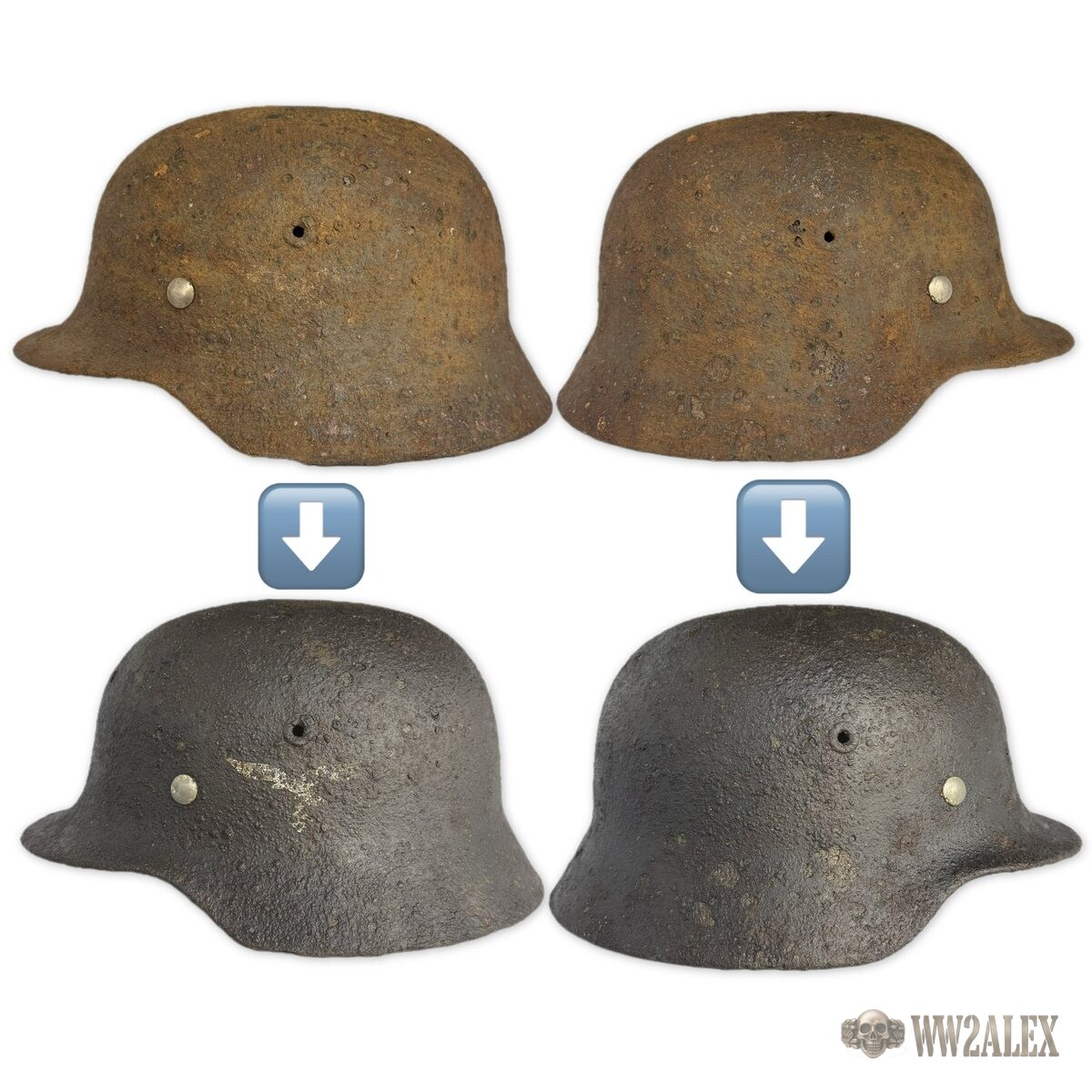
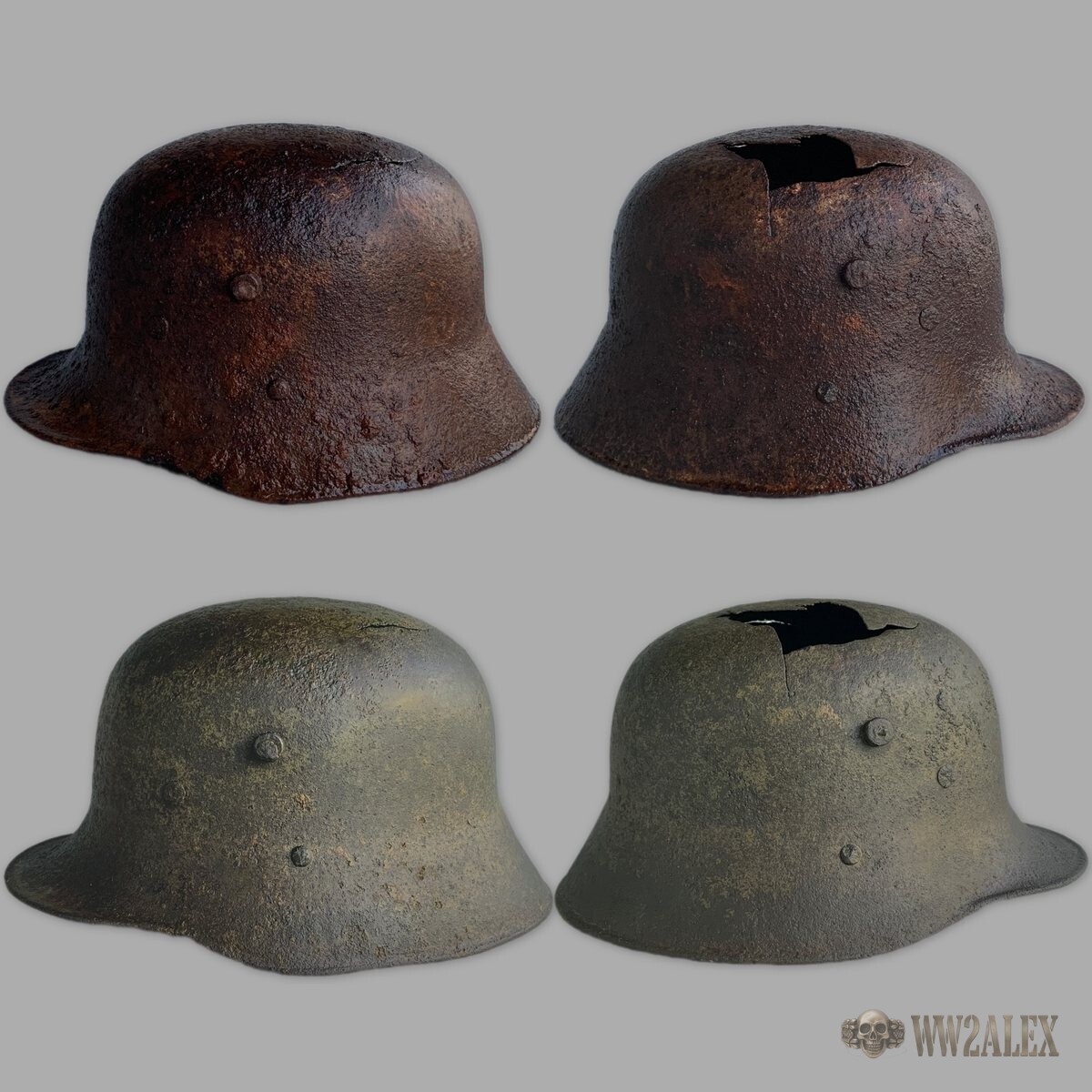
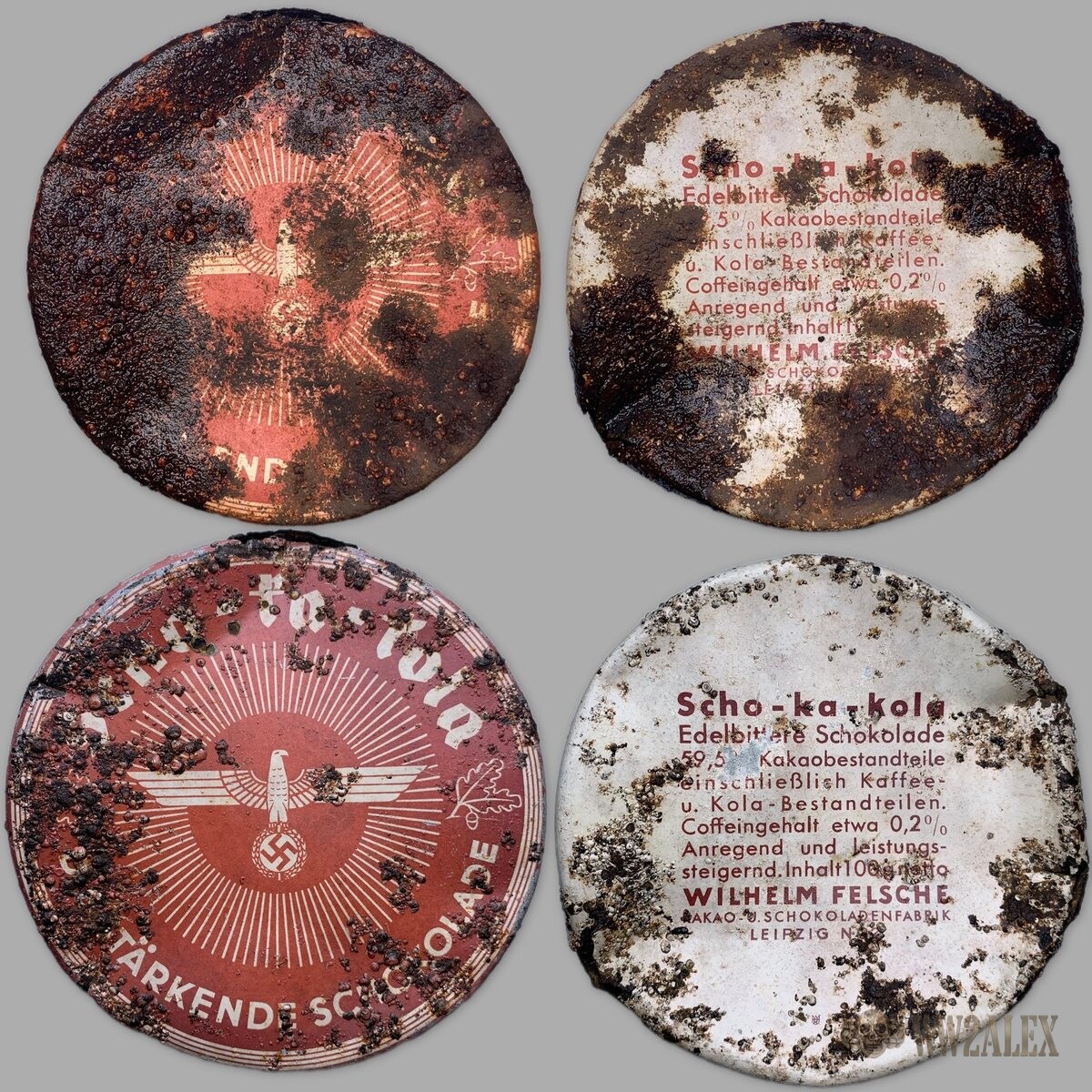
Any object that has been cleaned, stabilised, restored or refurbished is described that way in its listing. Where the work is not reversible, that is stated too.
The Collection
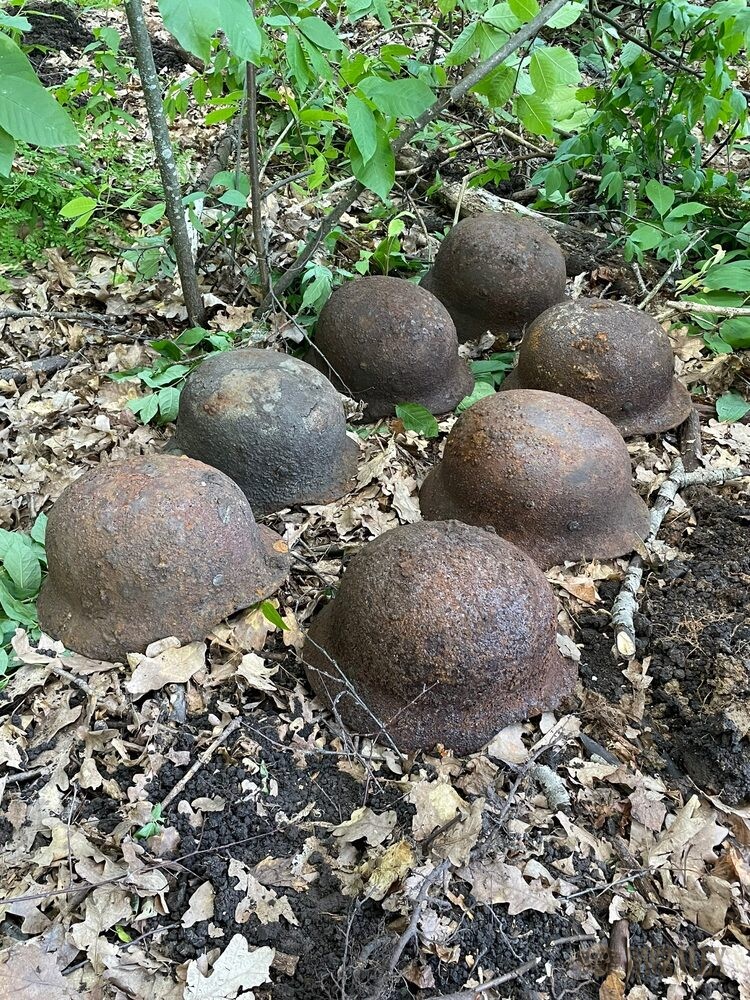
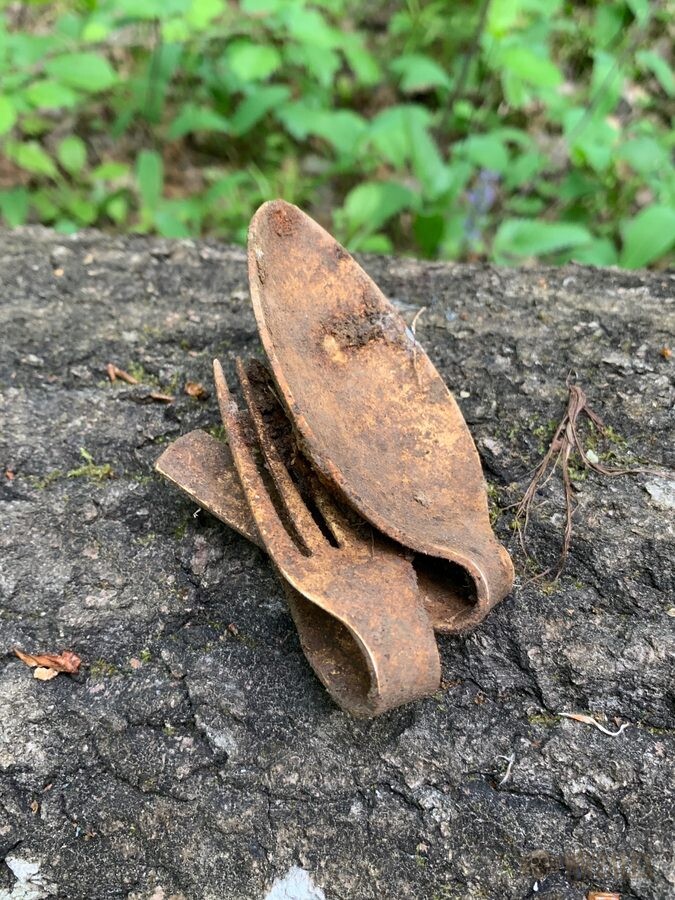
A selection of recovered material. These photographs are documentation rather than a catalogue — items shown here are not necessarily available, and available items are listed in the shop.
Helmets
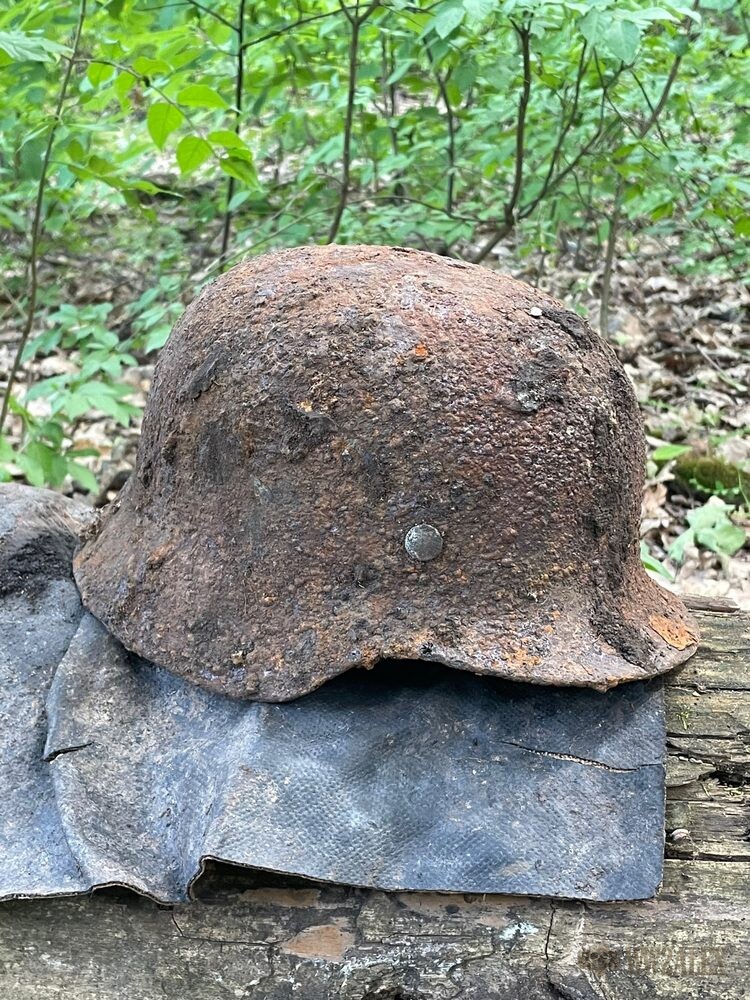
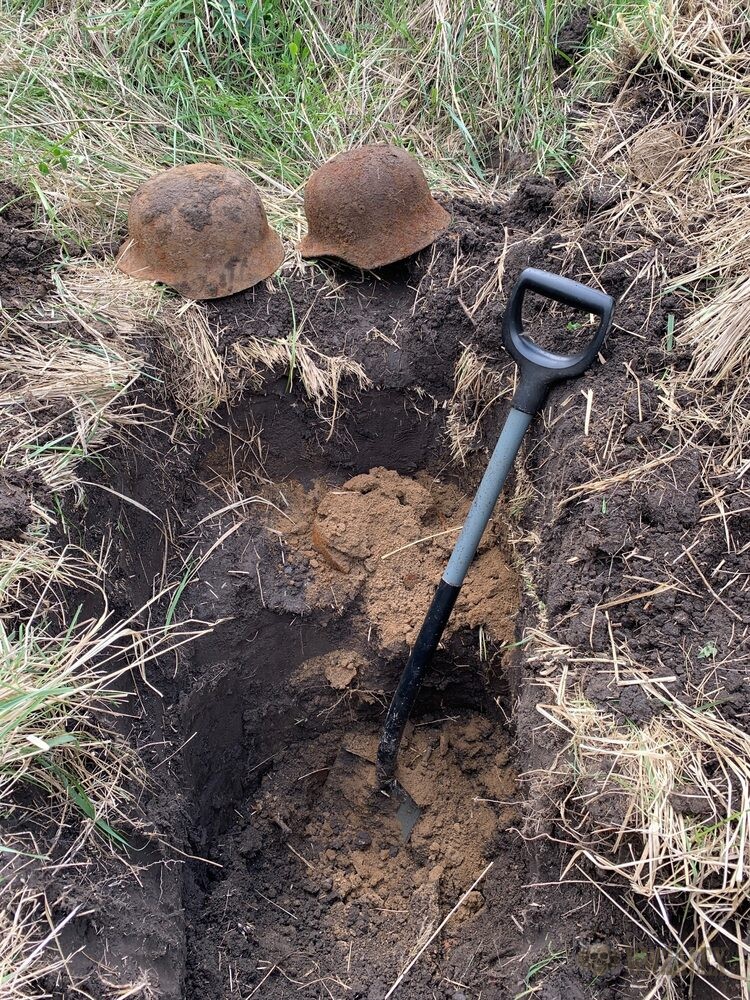
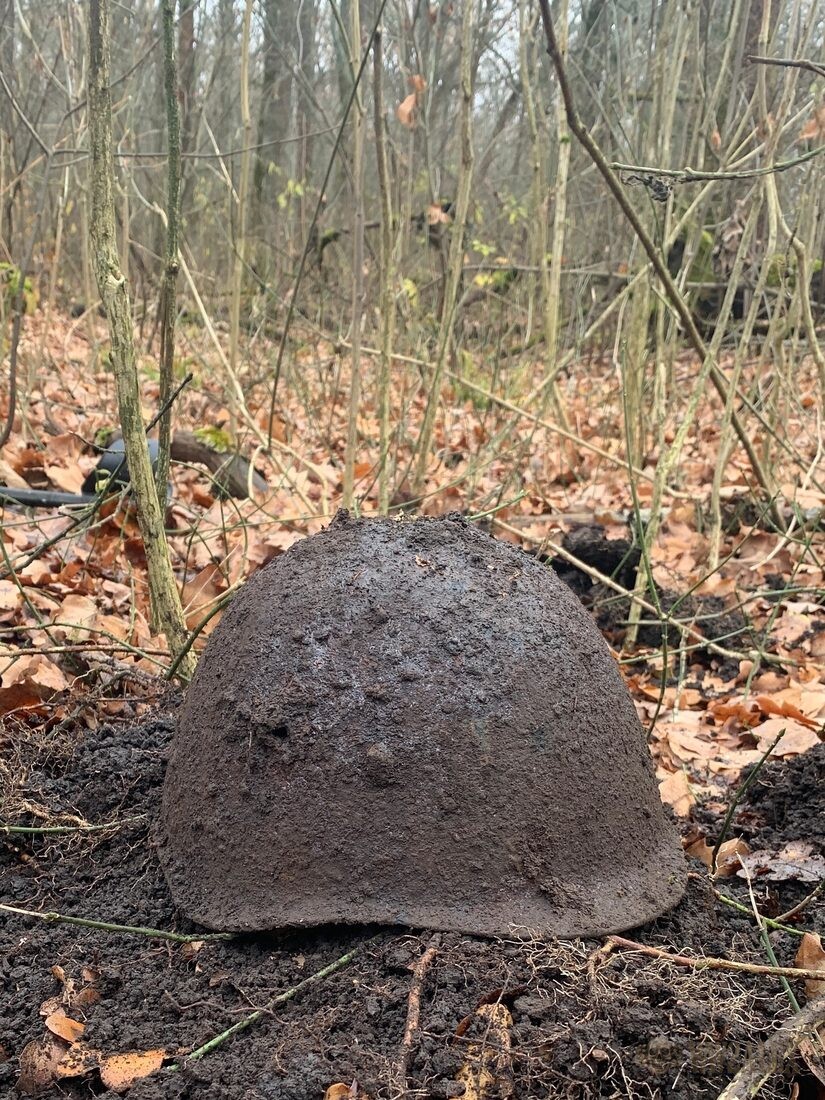
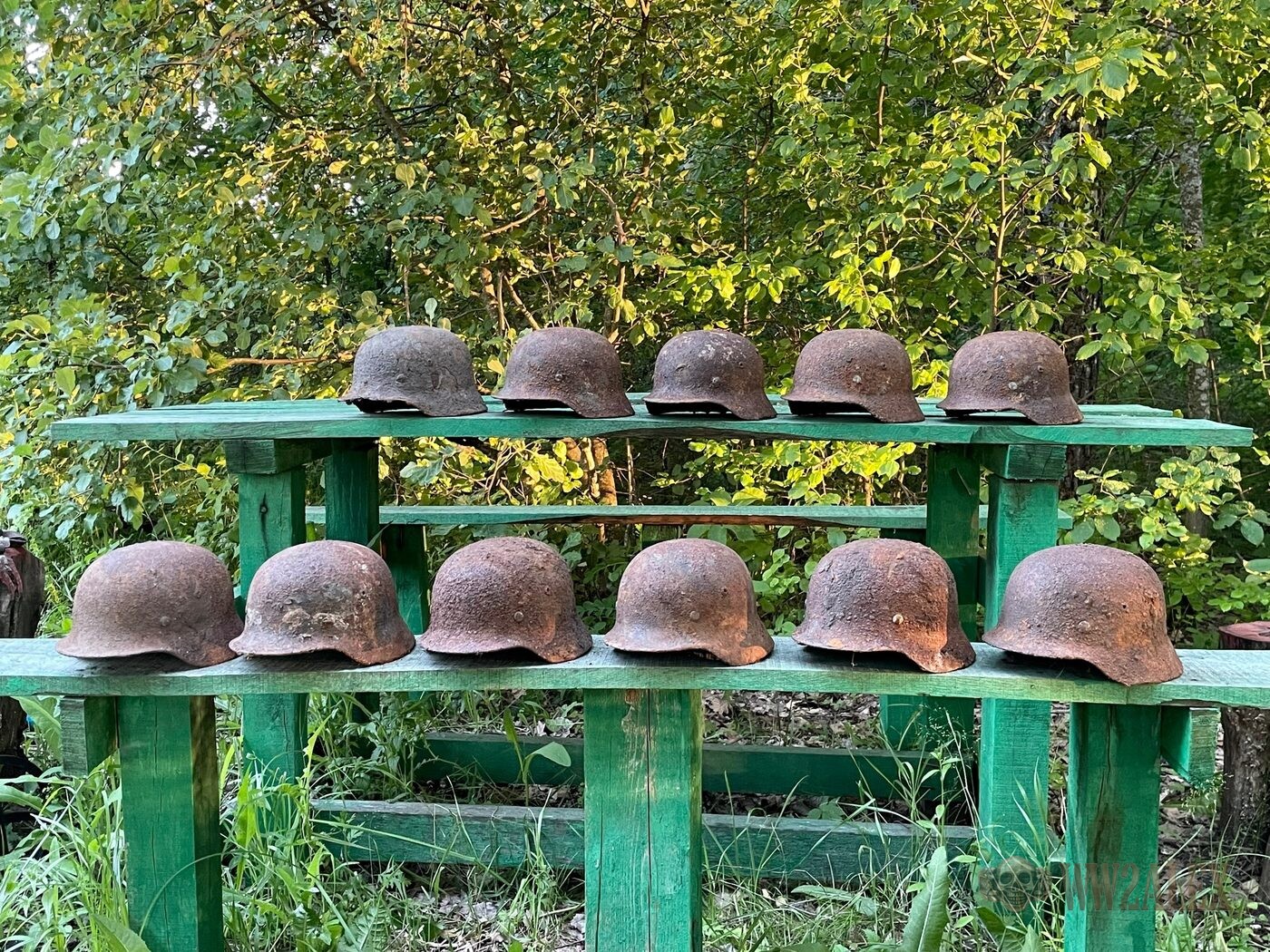
Military equipment
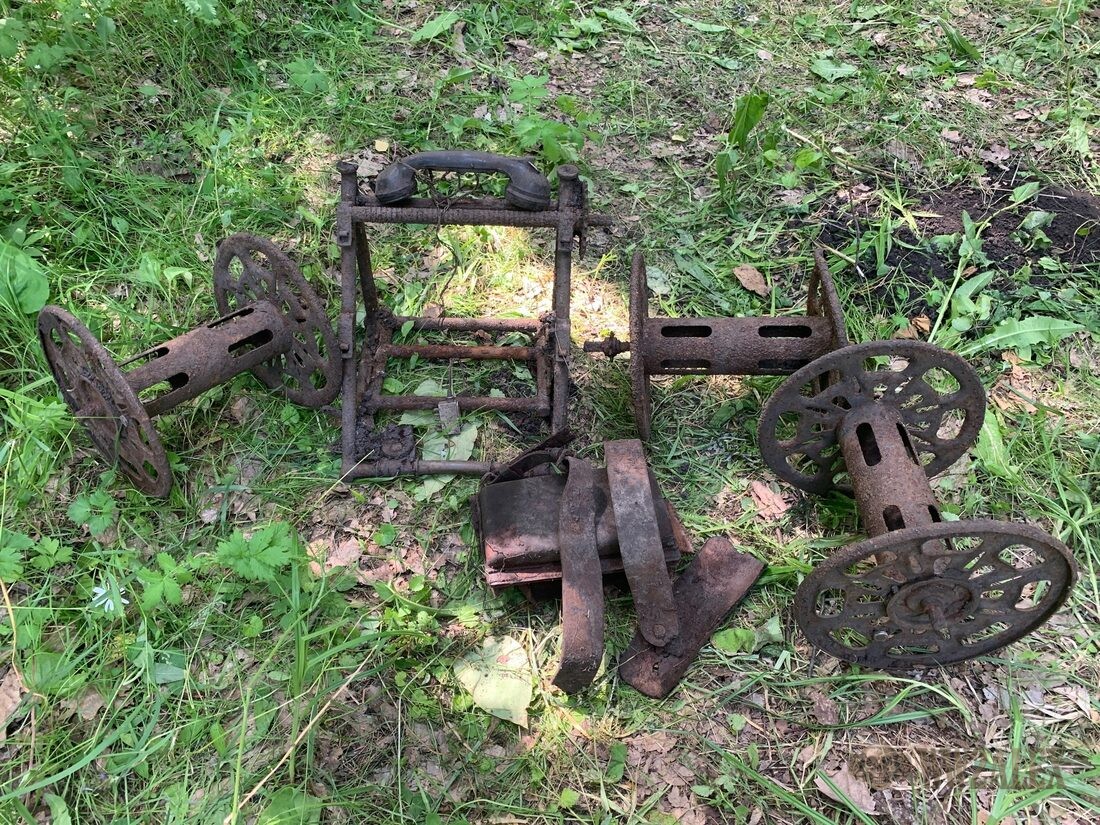
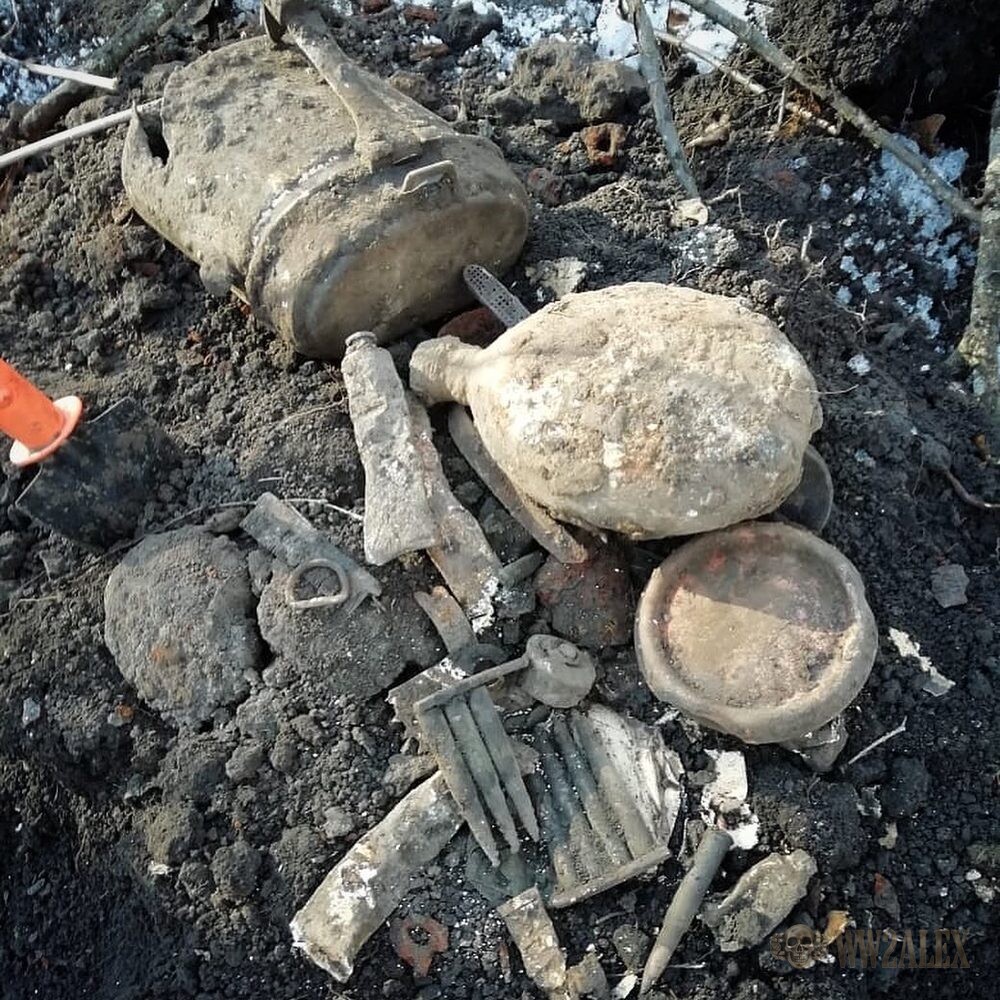
Insignia & personal items
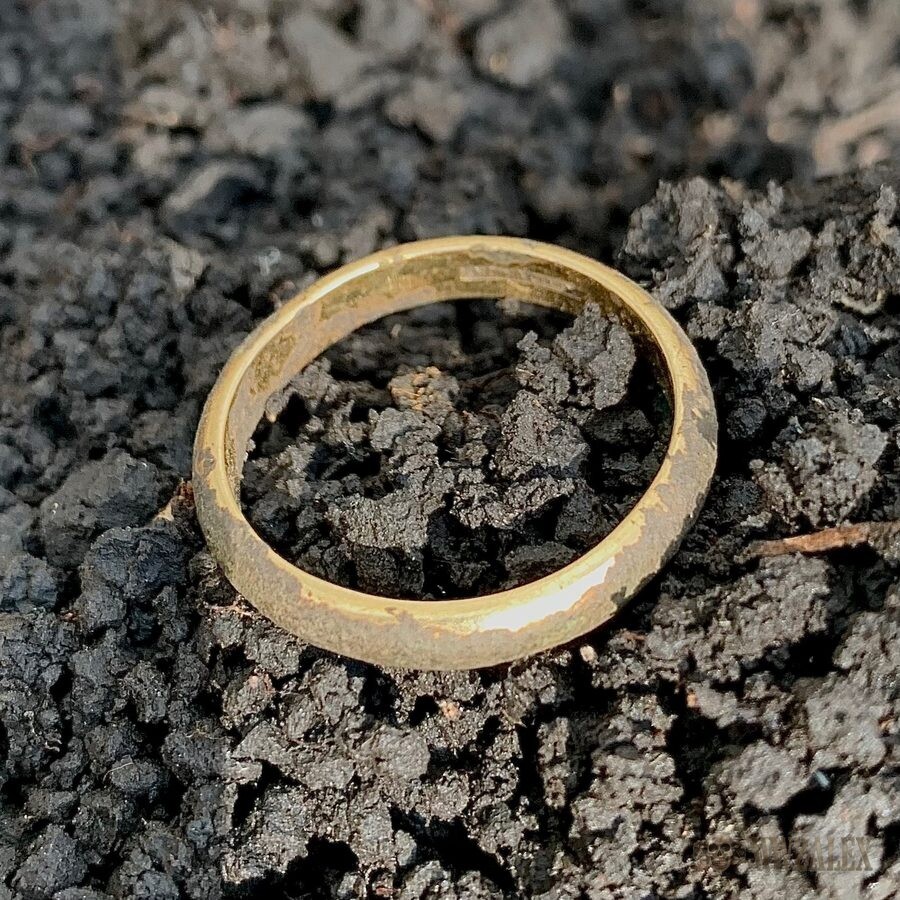
You can browse all WW2 helmets.
A Historical Approach
WW2ALEX deals in ethically sourced and authentic battlefield relics and militaria. Artefacts of different nationalities are handled, including WW2 German items, and all of them are offered strictly for historical, educational and collecting purposes.
No political ideology, extremism or revisionist view is promoted here. Objects are presented in their historical context, as evidence of what happened and of the people it happened to.
History, not politics.
Collectors Worldwide
WW2ALEX ships worldwide and has supplied collectors, researchers and institutions around the world. Items are described the same way wherever they are going, and collectors return because the description matches what arrives.
Explore the collection
Currently available items: helmets, equipment, insignia and personal objects.