
South of Voronezh, along the Don, the Hungarian 2nd Army and the Italian 8th Army held the line for the German summer offensive of 1942. In January 1943 a Soviet offensive from the Don bridgeheads broke through their positions within days. Many of the Hungarian helmets we offer, including the bunker finds from Ostrogozhsk, come from this front.
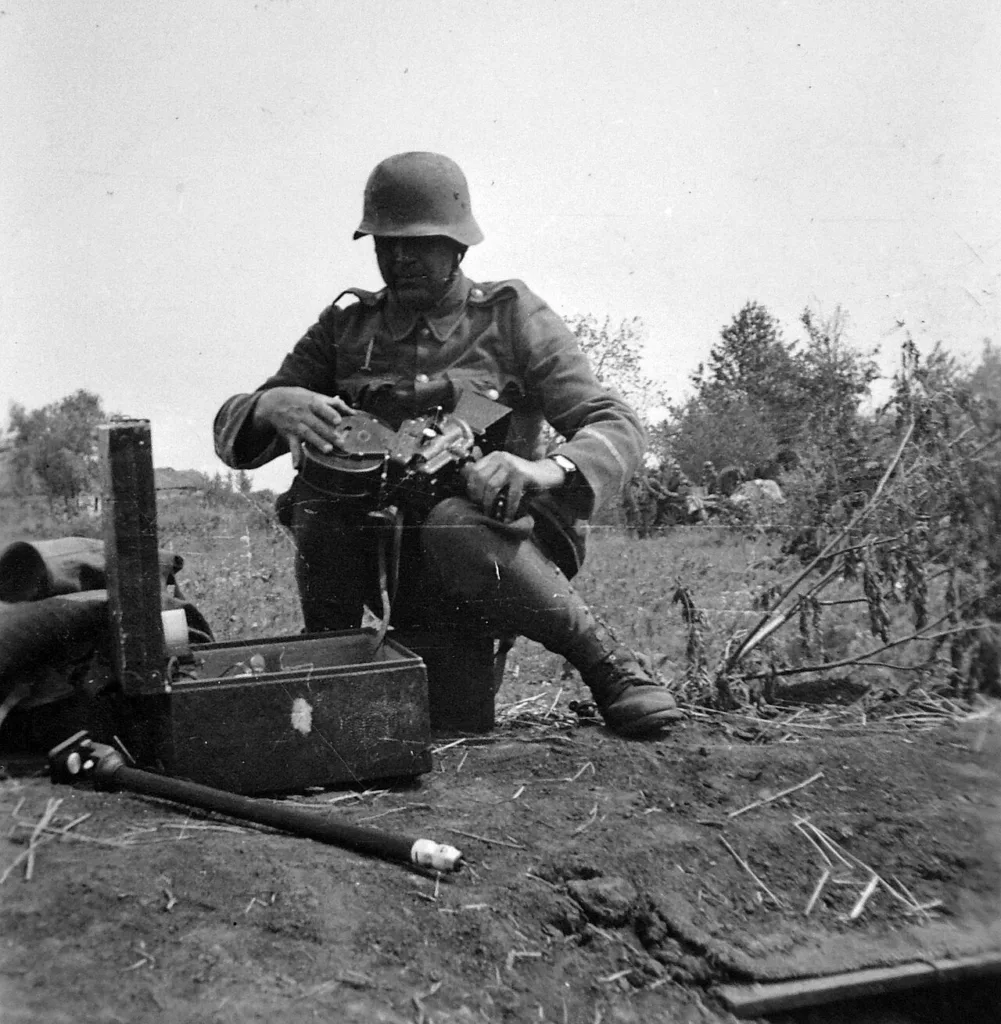
Voronezh, summer 1942
Germany’s 1942 offensive, Case Blue, opened at the end of June with an attack towards Voronezh, a large city on the upper Don. German troops entered the city in early July but never took all of it: from 7 July 1942 to 25 January 1943 Voronezh was partly occupied and fought over. According to the post-war state commission, 18,000 houses, 92 percent of the city’s housing, were destroyed.
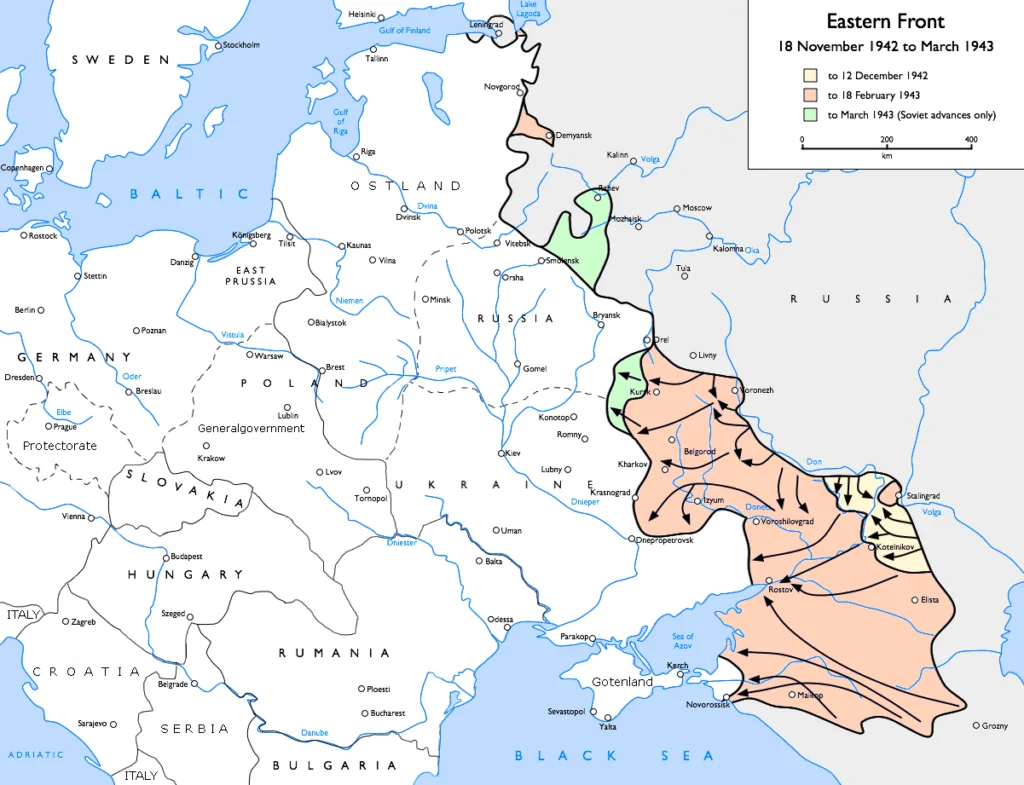
To free German divisions for the advance on Stalingrad and the Caucasus, the long front along the Don south of Voronezh was handed to Germany’s allies: the Hungarian 2nd Army under Colonel General Gusztáv Jány, the Italian 8th Army and, further south, the Romanian 3rd Army. The Soviet side kept bridgeheads on the western bank of the Don, among them the Storozhevoye bridgehead opposite the Hungarian positions.
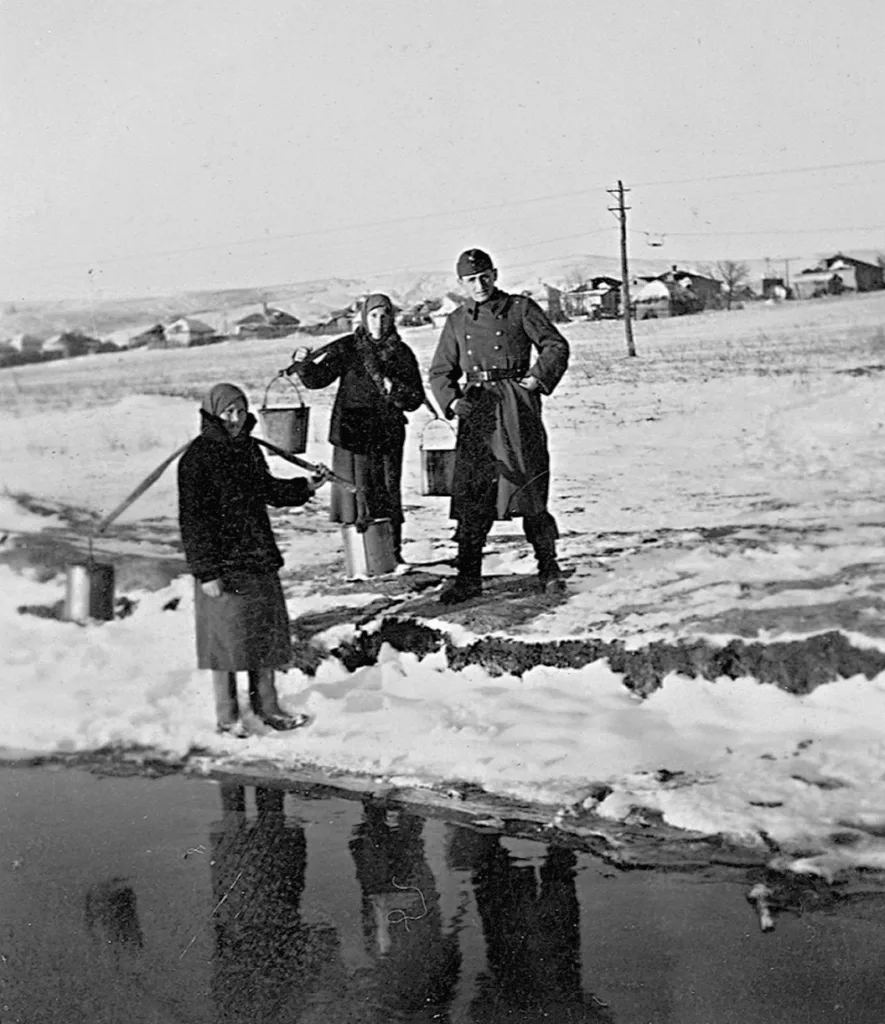
The Ostrogozhsk–Rossosh offensive, 13–27 January 1943
After the encirclement at Stalingrad and the Soviet Operation Little Saturn in December 1942, the Voronezh Front under Lieutenant General Filipp Golikov attacked on the Don. On 13 January 1943 the 40th Army under Major General Kirill Moskalenko broke out of the Storozhevoye bridgehead, while other Soviet forces, including the 3rd Tank Army of Pavel Rybalko, struck from the south. The defence collapsed in bitter winter cold. Jány forbade any withdrawal even after neighbouring German and Italian units had pulled back, and most Hungarian units were encircled and destroyed.
Within two weeks Soviet troops advanced about 140 kilometres to the west. According to Soviet and Russian figures, Hungarian losses in this operation alone were about 48,000 killed, about 14,000 captured and up to 34,000 wounded and frostbitten, and Italian losses about 36,000 killed and captured.
The operation was planned and supervised on the spot by two representatives of the Soviet Supreme Command, General of the Army Georgy Zhukov and Colonel General Aleksandr Vasilevsky. It was fought in two stages. From 13 to 15 January the Soviet armies broke through the defences on all three axes of attack; by the end of 14 January the 40th Army had widened its breakthrough to 50 kilometres along the front and 17 kilometres in depth. From 16 to 27 January the Soviet forces closed the ring around the Axis troops between Ostrogozhsk and Rossosh, formed inner and outer fronts of encirclement, and destroyed the surrounded groups one by one. The fighting took place in temperatures of −30 to −40 °C, and many of the soldiers who tried to break out of the encirclement died of the cold.
Voronezh liberated
The breakthrough on the Don left the German 2nd Army at Voronezh exposed. In the Voronezh–Kastornoye operation that followed, the city was liberated on 25 January 1943 by the 60th Army of General Ivan Chernyakhovsky.
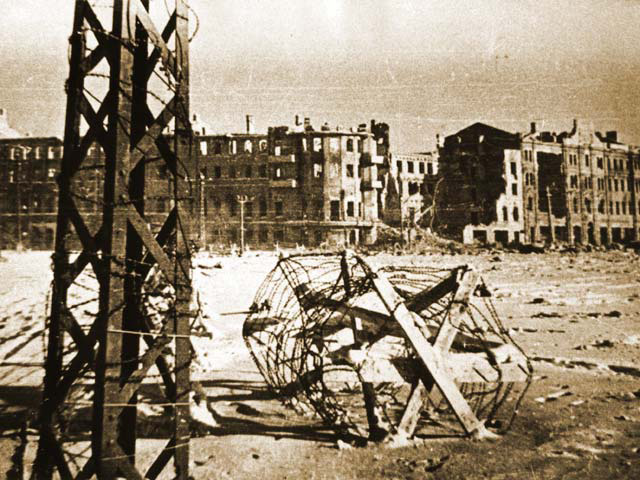
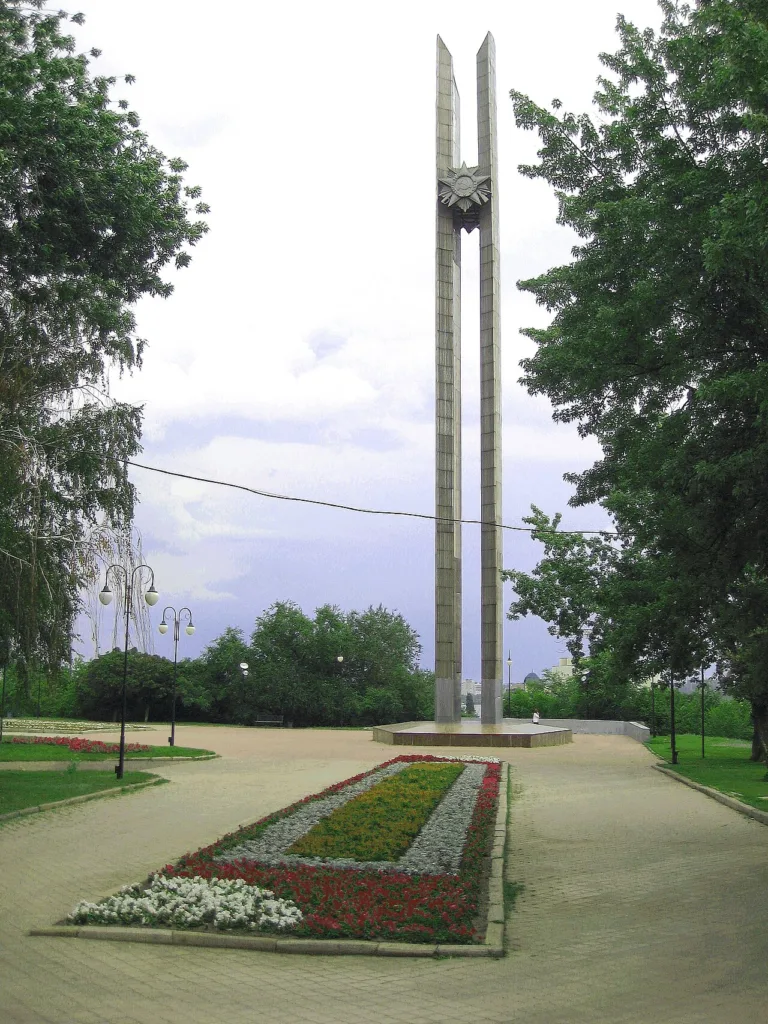
Voronezh had been on the front line for more than six months. After its liberation the city lay largely in ruins, and its reconstruction took many years. Today the memorial complex on Victory Square commemorates the defeat of the German and allied forces near Voronezh in 1943.
See our Hungarian helmets, many of them from bunkers near Ostrogozhsk, and the guide to Hungarian and Romanian helmets.
Sources and further reading
- Острогожско-Россошанская операция – Wikipedia (Russian)
- Ostrogozhsk–Rossosh offensive – Wikipedia
- Hungarian Second Army – Wikipedia
- Воронеж – Wikipedia (Russian), history section
Written by WW2ALEX from the sources listed above. Images from Wikimedia Commons are credited in their captions.