
The Siege of Leningrad lasted 872 days, from 8 September 1941 to 27 January 1944. German and Finnish forces cut the city off from the rest of the Soviet Union but never captured it. Most of its victims died not in combat but of hunger and cold, above all in the first winter.
The ring closes
Leningrad, today St Petersburg, was the Soviet Union’s second city, a major industrial centre and the base of the Baltic Fleet. In the summer of 1941 Army Group North under Field Marshal Wilhelm Ritter von Leeb advanced through the Baltic states towards it, while the Finnish army moved south on the Karelian Isthmus and east of Lake Ladoga. On 8 September 1941 German troops took Shlisselburg on the shore of Lake Ladoga, cutting the last land route into the city.
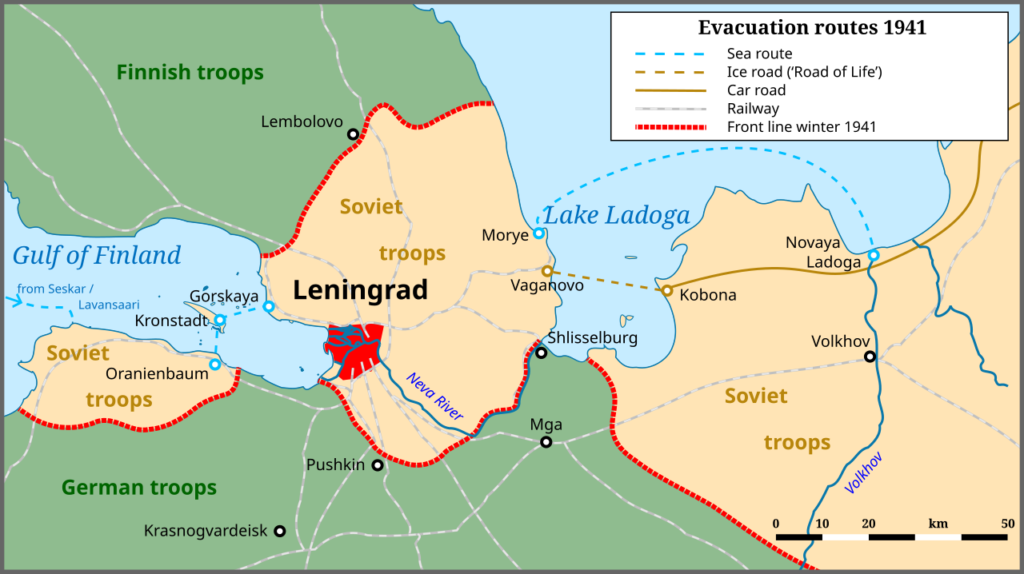
The German leadership decided not to storm the city. Leningrad was to be encircled, shelled and bombed, and starved into submission.
The first winter
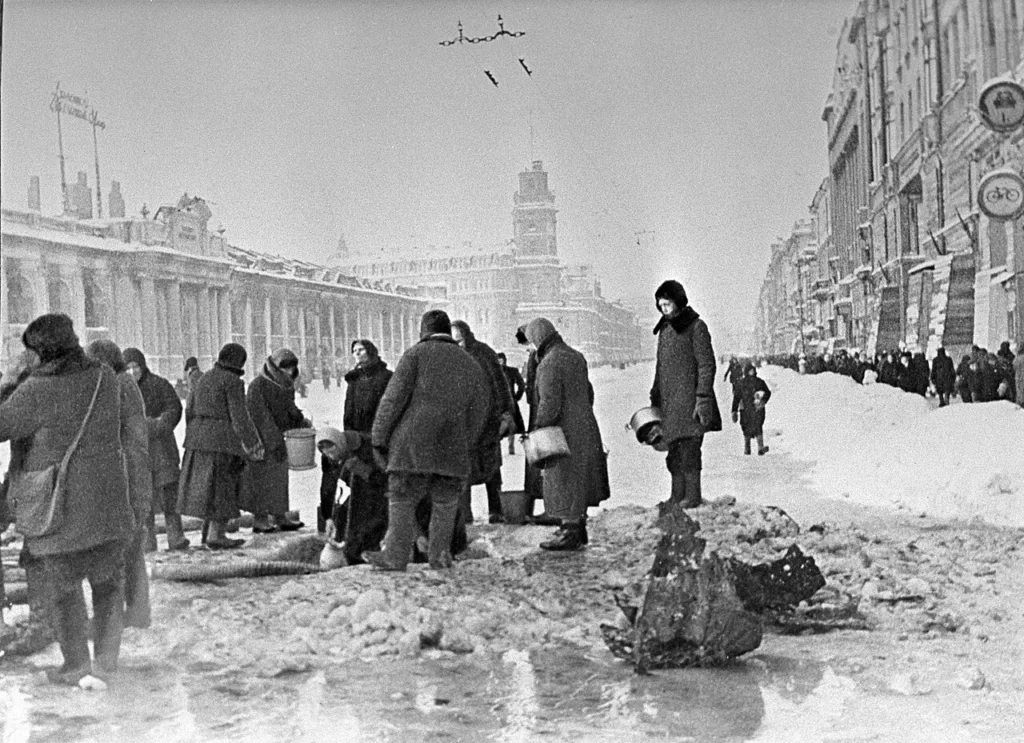
Food stocks were small, and the destruction of the Badayev warehouses by bombing in September made matters worse. Rations were cut again and again: from late November 1941 workers received 250 grams of bread a day and other civilians, including children, 125 grams, much of it made with substitutes. There was almost no fuel, water pipes froze and public transport stopped. In January and February 1942 deaths reached about 100,000 a month.
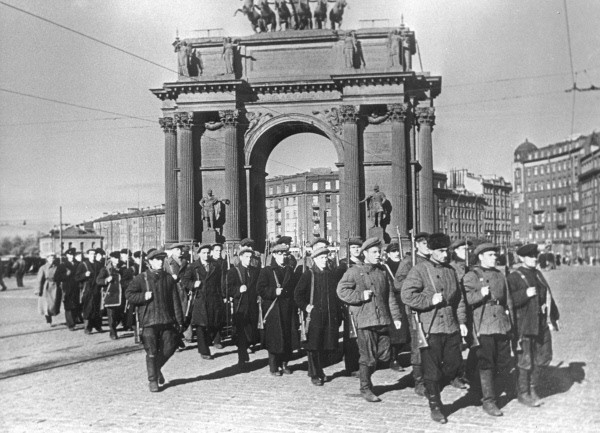
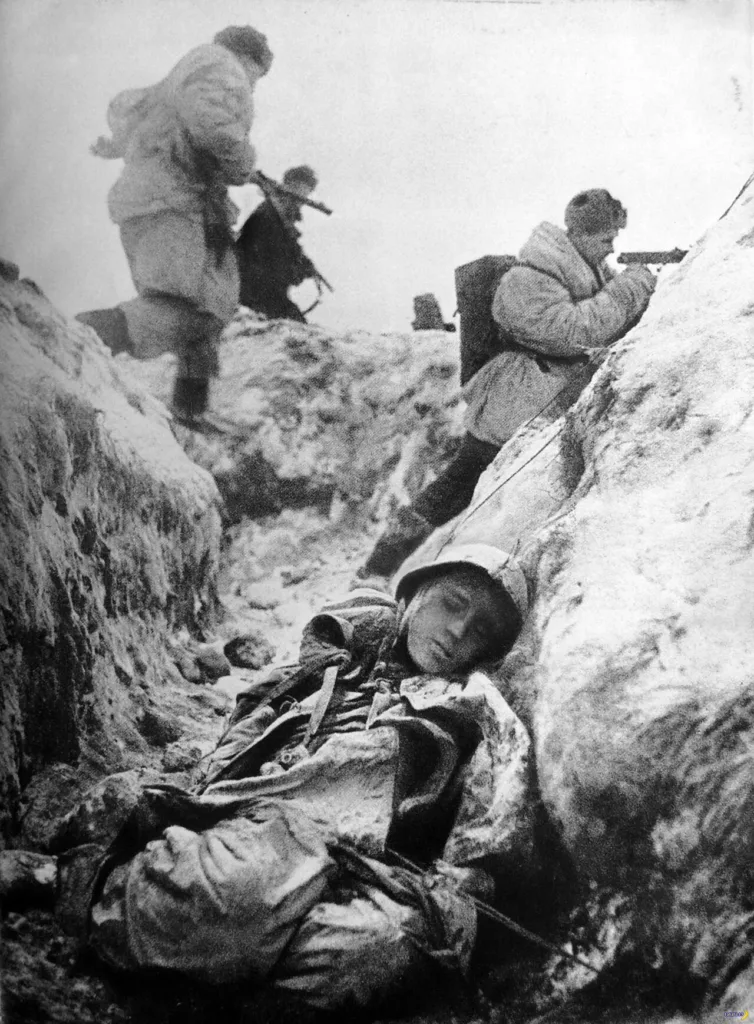
People carried water in buckets from the Neva and from broken water mains, and dragged the dead to the cemeteries on children’s sledges. Yet the city went on working for the front. Its factories repaired tanks and produced shells, and the workers of the Kirov Plant, whose workshops lay only a few kilometres from the German lines, often went straight from the factory to the trenches. Leningrad Radio stayed on the air throughout the siege; between programmes it broadcast the steady beat of a metronome, so that people knew the city was still alive.
The Road of Life
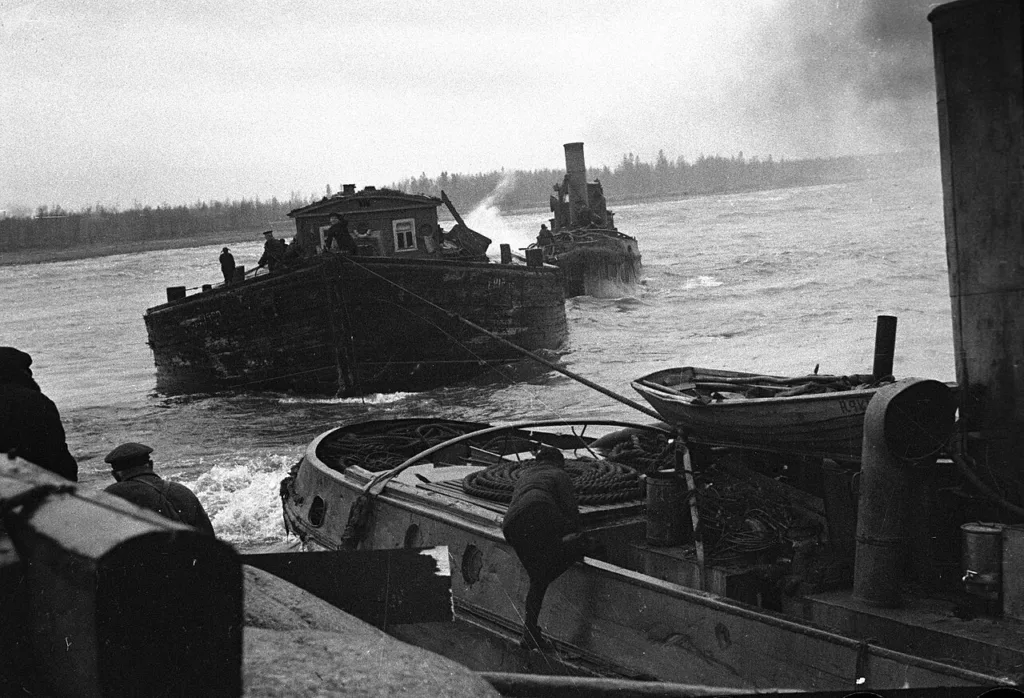
The only link with the outside world ran across Lake Ladoga: by boat in summer and, when the ice was thick enough, by an ice road for lorries that opened in November 1941. It became known as the Road of Life. Food, fuel and ammunition came in along it, and hundreds of thousands of people, many of them children, were evacuated. In total about 1.7 million people were evacuated from the city between the summer of 1941 and the spring of 1943.
The ice road was a feat in itself. The first supplies were taken across on 19 November 1941 by a transport regiment with horse-drawn sledges, and on the night of 22 November the first column of sixty lorries reached the western shore. Drivers worked through blizzards and under German air and artillery attack, and many lorries were lost through the ice. Over the roads across the lake more than 1.3 million people, most of them women and children, were evacuated during the siege.
Breaking and lifting the siege
Several Soviet attempts to break the ring failed in 1941 and 1942, in costly battles around the Neva and in the forests and swamps near Sinyavino and Lyuban. In January 1943 Operation Iskra (“Spark”) finally succeeded: on 18 January 1943 the Leningrad and Volkhov Fronts met south of Lake Ladoga and opened a narrow land corridor, along which a railway was quickly built. The city remained within range of German artillery for another year.
The Leningrad–Novgorod offensive, which began in January 1944, drove Army Group North back from the city. On 27 January 1944 the siege was declared fully lifted, and Leningrad marked the day with an artillery salute.
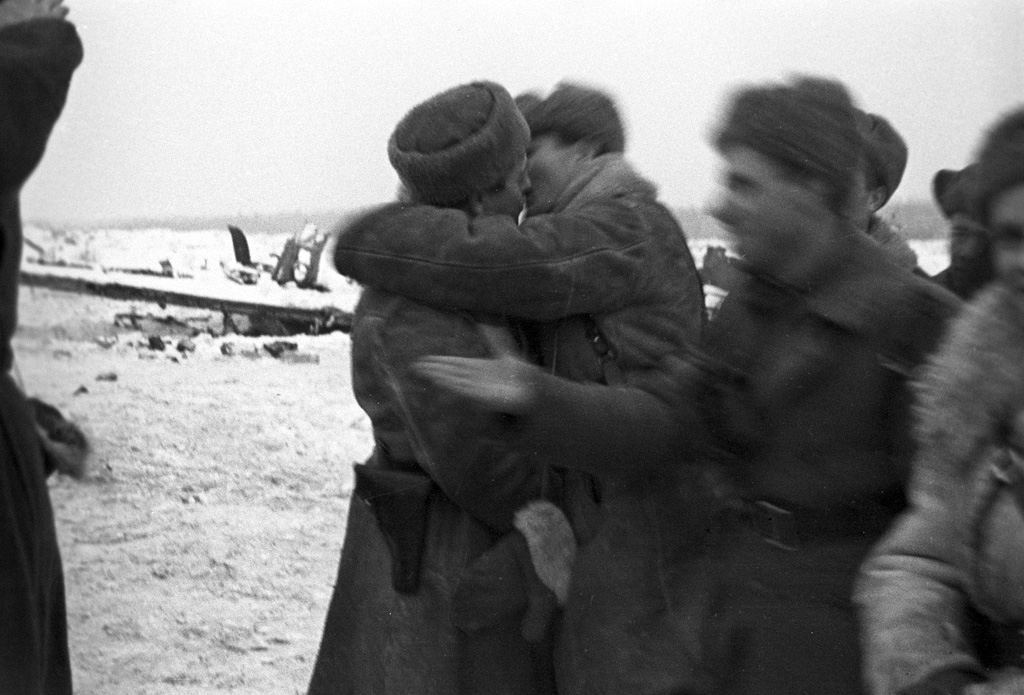
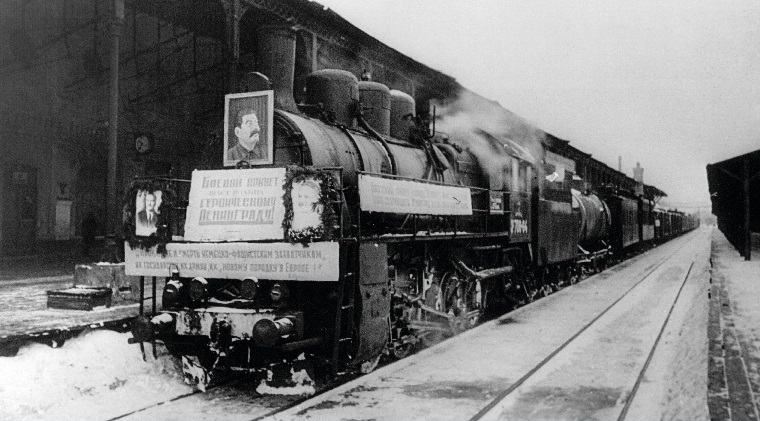
Work on a railway through the newly won corridor began on 21 January 1943 and was finished ahead of schedule: trains began delivering supplies on 6 February, and the next day the first train from the rest of the country arrived at Leningrad’s Finland Station.
Who fought around Leningrad
Besides German and Finnish forces, the Spanish volunteer 250th Infantry Division, the “Blue Division”, served on the Volkhov river and south of the city, where it fought at Krasny Bor in February 1943. Units from many countries of occupied Europe also served in the area. On the Soviet side, the Leningrad and Volkhov Fronts were joined by the sailors of the Baltic Fleet and by people’s militia divisions raised in the city in 1941.
The human cost
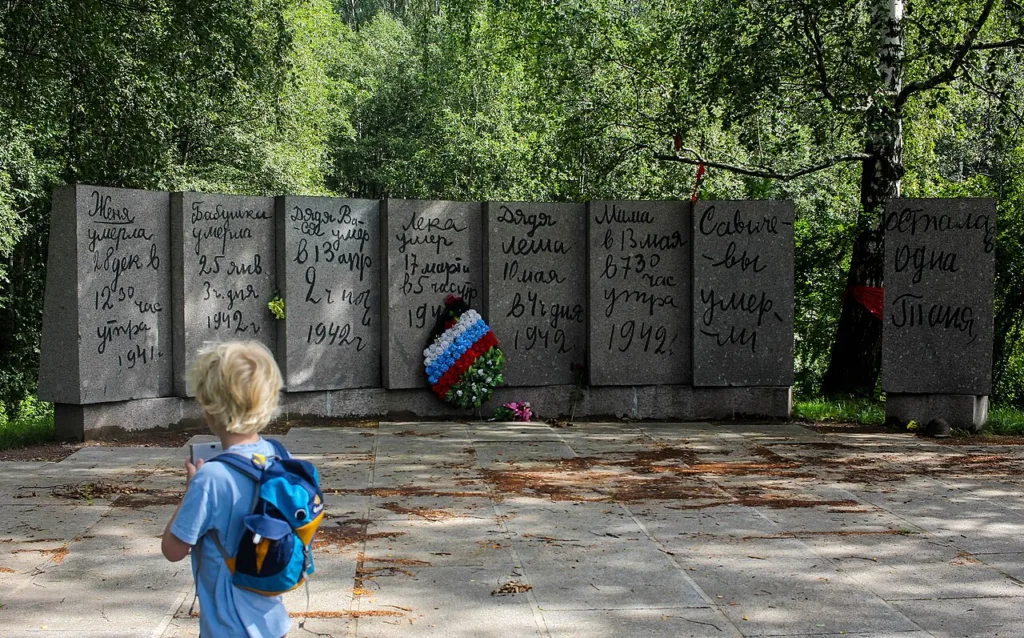
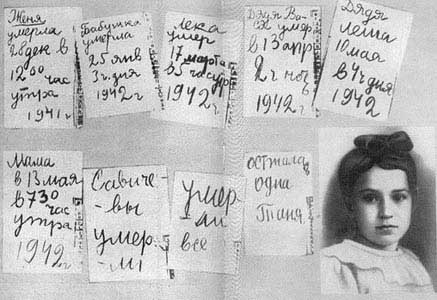
At the Nuremberg trials the Soviet Union presented a figure of about 632,000 civilian deaths in the city; later research puts the toll higher still, at up to around one million people. The diary of Tanya Savicheva, a schoolgirl who recorded the deaths of her family members one by one, became one of the best-known testimonies of the blockade. In August 1942 Dmitri Shostakovich’s Seventh Symphony, dedicated to the city, was performed in besieged Leningrad by its surviving musicians.
The symphony’s performance was itself an act of defiance. The score was flown into the city by night in July 1942, and the Leningrad Radio Orchestra under Karl Eliasberg – the only symphonic ensemble left, many of its musicians weak from hunger – gave the concert on 9 August 1942. Before it began, General Leonid Govorov, commander of the Leningrad Front, ordered a bombardment of the German artillery positions so that they would stay silent during the performance, and loudspeakers carried the music across the city and to the German lines.
Read also about the Battle of Stalingrad and the Battle of Kursk, or browse our shop.
Sources and further reading
- Siege of Leningrad – Wikipedia
- Road of Life – Wikipedia
- Operation Iskra – Wikipedia
- Anna Reid, Leningrad: Tragedy of a City Under Siege, 1941–44 (2011).
Written by WW2ALEX from the sources listed above.