The Soviet Union awarded millions of orders and medals during the Great Patriotic War of 1941–1945. Some were created before the war, others in the middle of it, as the Red Army went over to the offensive. This guide covers the decorations a collector meets most often – the Order of the Red Star, the Medals For Courage and For Battle Merit, the Order of the Patriotic War, the Order of Glory and the Victory Medal – with what each was awarded for and how to recognise it.
The Order of the Red Star
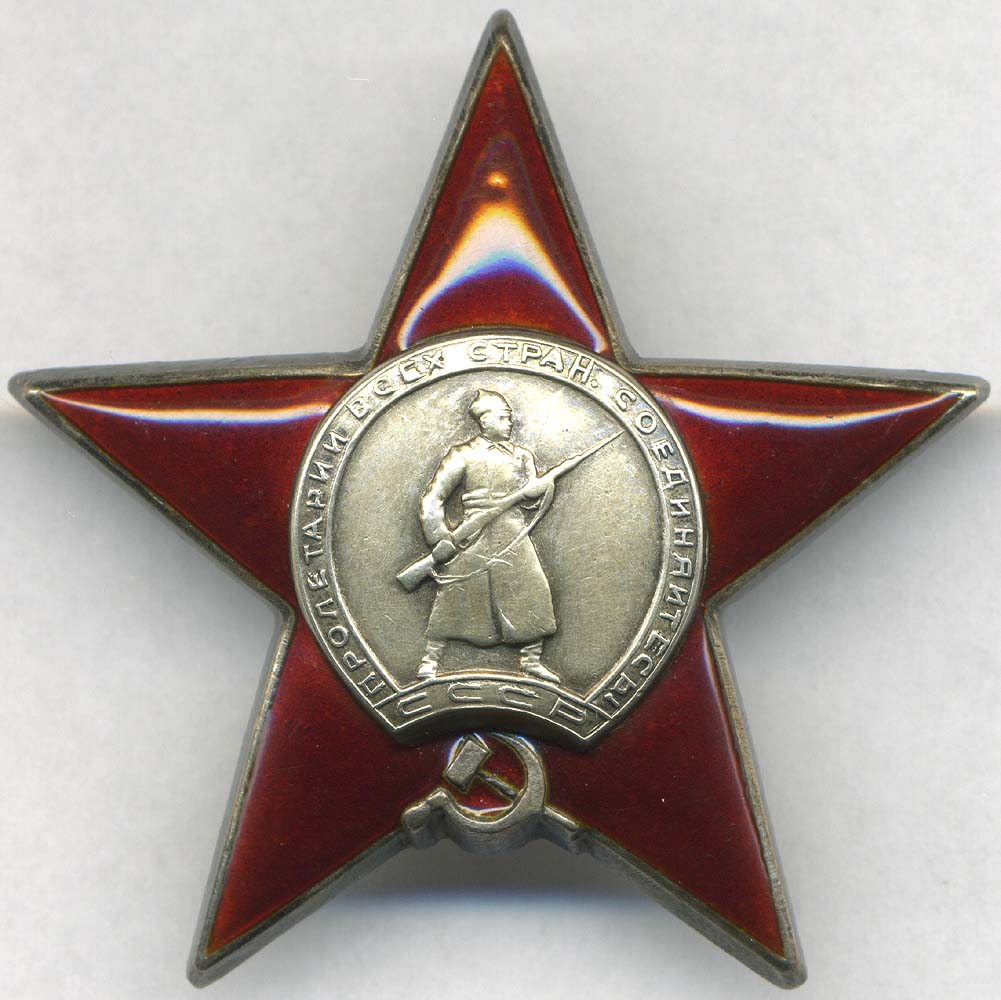
The Order of the Red Star was established on 6 April 1930, and its statute was fixed on 5 May 1930. It was awarded to soldiers, sailors and officers for personal courage and for services in the defence of the country. The order is a five-pointed silver star covered in red enamel, 47 to 50 mm across depending on the variant. In the centre is an oxidised silver shield with a soldier in a greatcoat holding a rifle, surrounded by the motto “Workers of the world, unite!”. It was worn on the right side of the chest, screwed through the tunic. Many fighting men received it several times; a few officers received it as many as six times.
The Medals For Courage and For Battle Merit
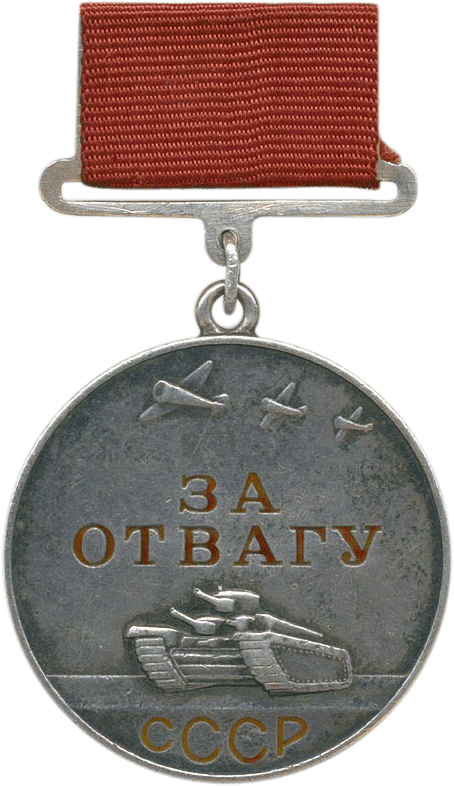
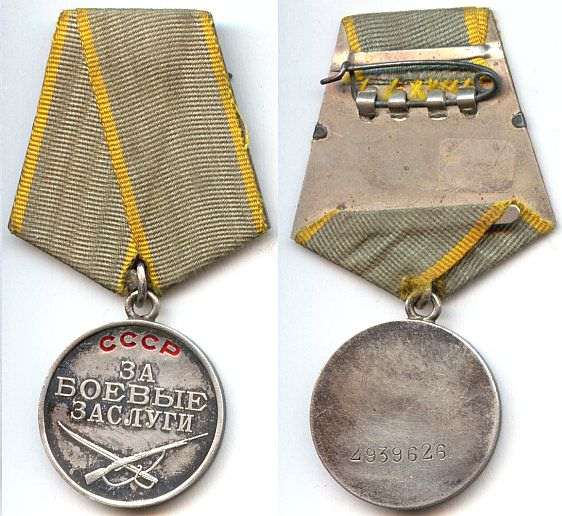
Both medals were established on 17 October 1938. The Medal For Courage (Za otvagu) was given for personal courage and bravery in the defence of the country. During the war of 1941–1945 it was awarded more than four million times. The Medal For Battle Merit (Za boevye zaslugi) recognised combat actions that contributed to military success, the courageous defence of the borders, and excellence in military training.
The Order of the Patriotic War
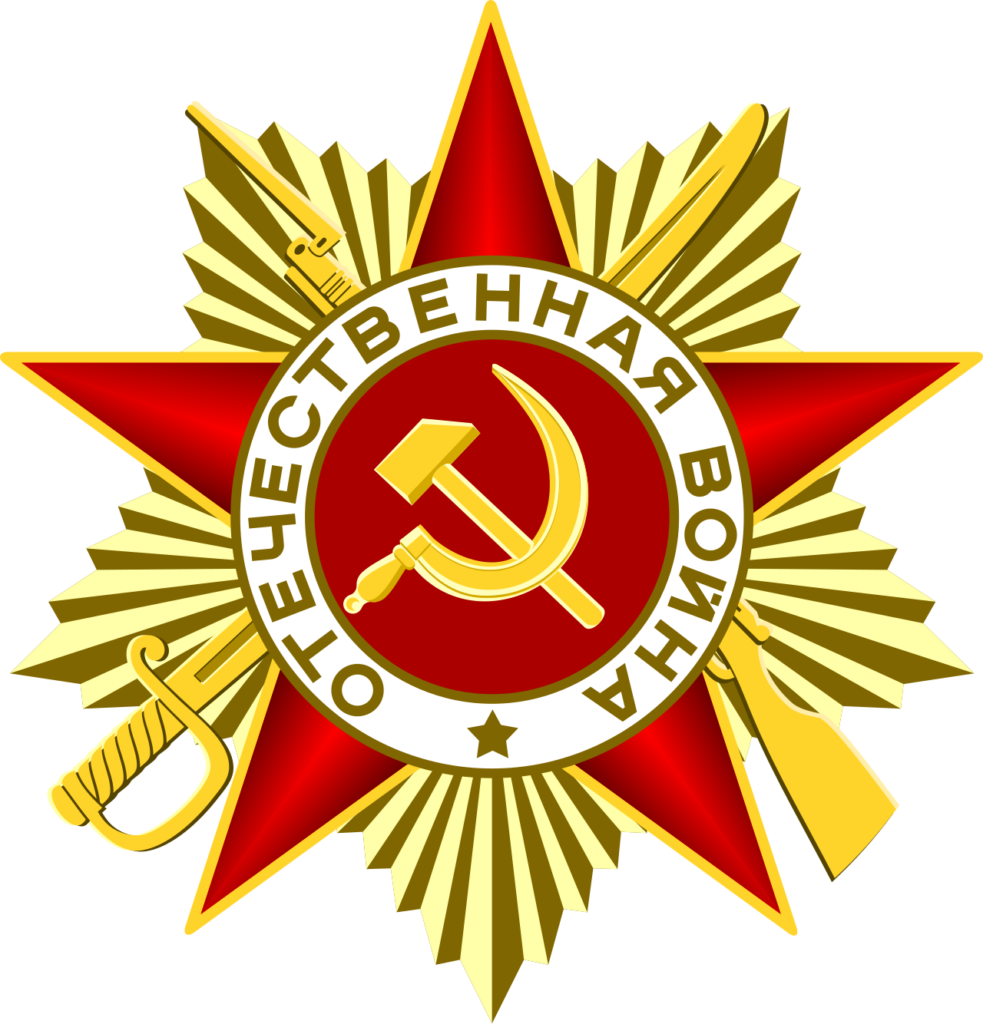
The Order of the Patriotic War was established on 20 May 1942. It was the first Soviet order created during the war and the first to be divided into classes – first and second class, depending on the merit of the deed. Its statute listed specific feats, such as shooting down three aircraft as a fighter pilot or destroying several enemy tanks. By 1985 about 1,370,000 had been awarded. In 1985, for the fortieth anniversary of the Victory, all surviving veterans received the order in the first or second class – about two million more awards. For collectors this matters: the wartime orders and the 1985 anniversary orders are different pieces with different histories.
The Order of Glory
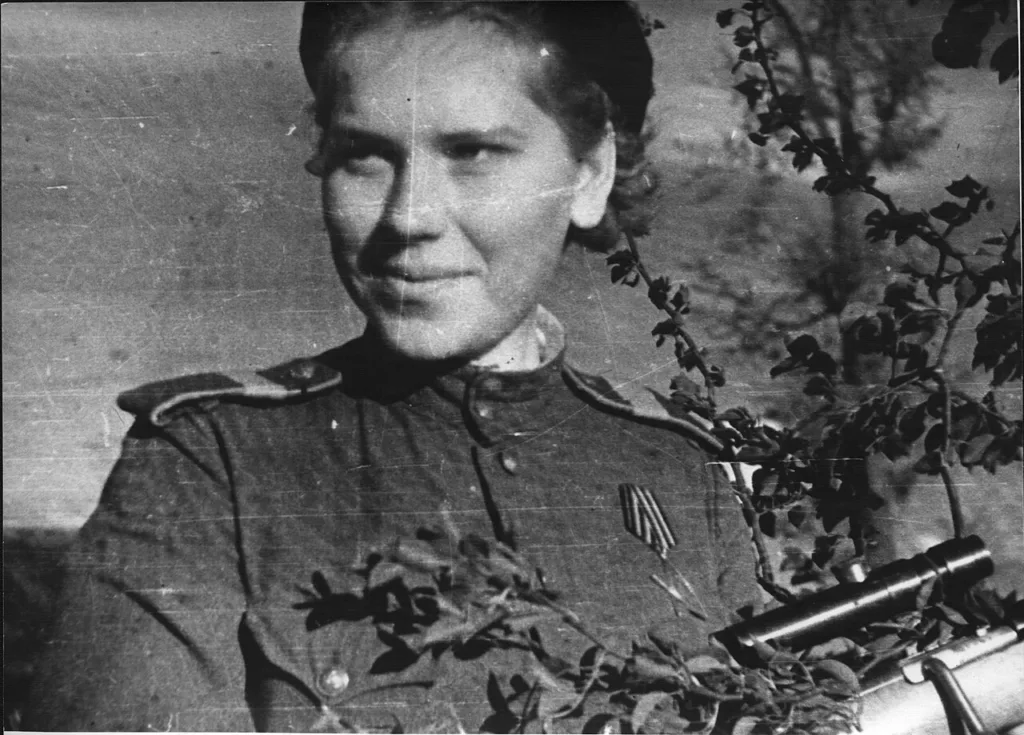
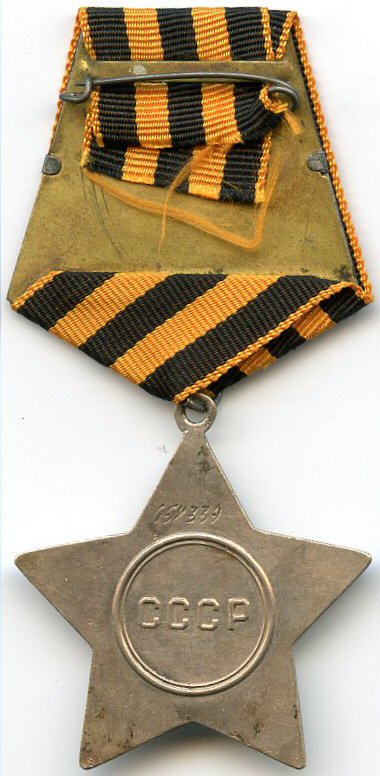
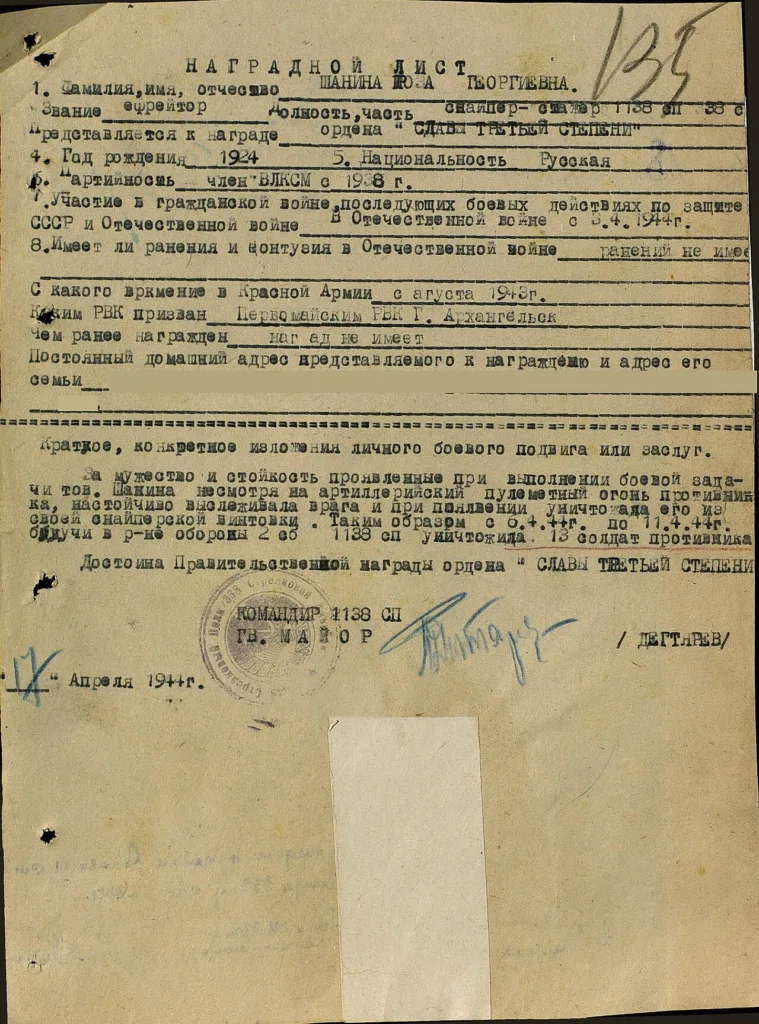
The Order of Glory was established on 8 November 1943 for soldiers and non-commissioned officers. Like the old Russian Order of St George, it hangs from an orange-and-black ribbon of St George, and like it, it was awarded in three classes in strict order: a soldier first received the third class, and only then the second and the first. The third class is made of silver, the second of silver with a gilded central medallion, and the first of gold. Only 2,656 soldiers received all three classes and became “full cavaliers” of the order. The sniper Roza Shanina received the third and the second class.
The Victory Medal
The Medal For the Victory over Germany in the Great Patriotic War 1941–1945 was established on 9 May 1945, the day the Soviet Union celebrated the end of the war in Europe. It was awarded to all military and civilian personnel of the Red Army, the Navy and the security troops who took part in the war. It is a brass medal 32 mm in diameter, with a raised rim on both sides.
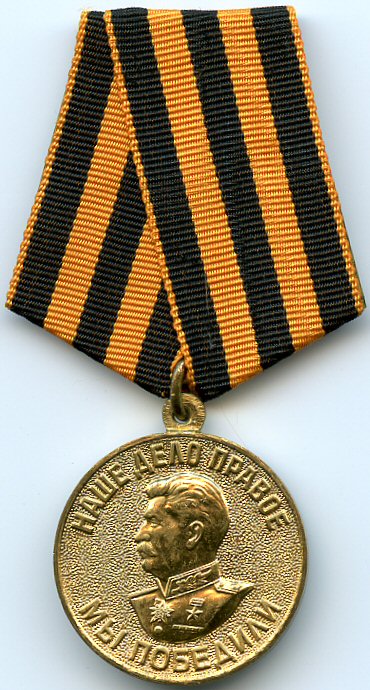
Serial numbers and documents
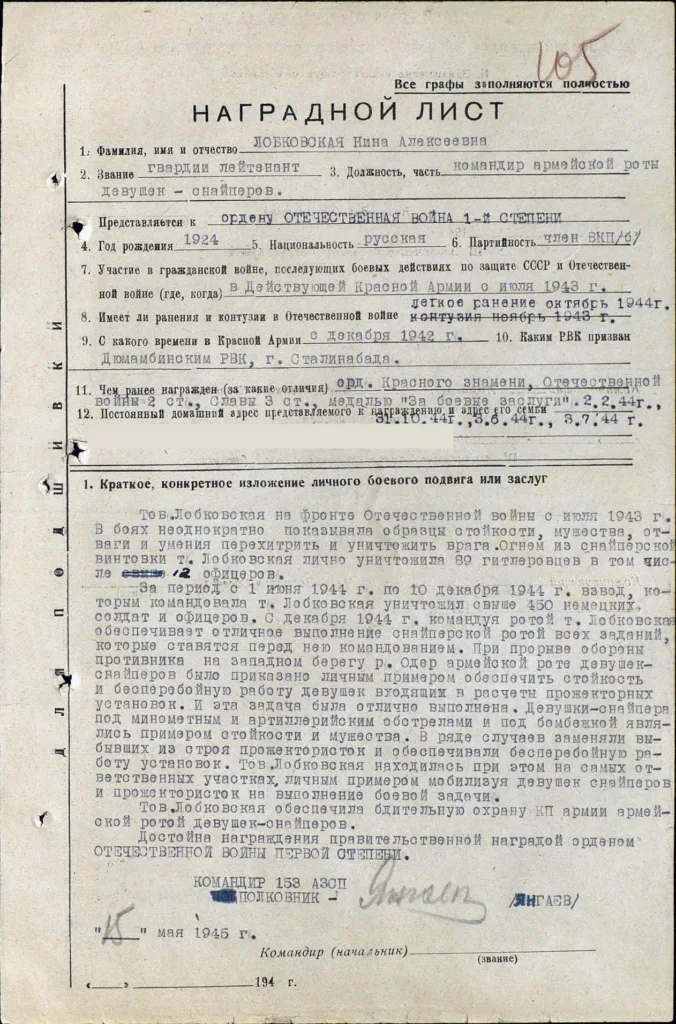
Most Soviet orders, and many medals, carry an individual serial number on the back, and each award was recorded in an award document such as the one shown above. Many of these wartime records have been published in Russian online archive databases, so a numbered award can sometimes be traced back to the person who earned it. A matching document adds greatly to the historical value of a decoration.
Before you buy
- Check the serial number and the style of the back; numbers and fittings changed over the years.
- For the Order of the Patriotic War, find out whether it is a wartime award or a 1985 anniversary award.
- Be careful with the precious-metal awards – the Red Star, the Order of Glory and the Medal For Courage are often copied.
- Ask whether award documents survive with the piece.
More: heroes of the war · equipment of the Red Army soldier · German WW2 awards · awards and badges in the shop